Findings — what this batch taught us
01 · Colour law revised — describe, don't name or hex
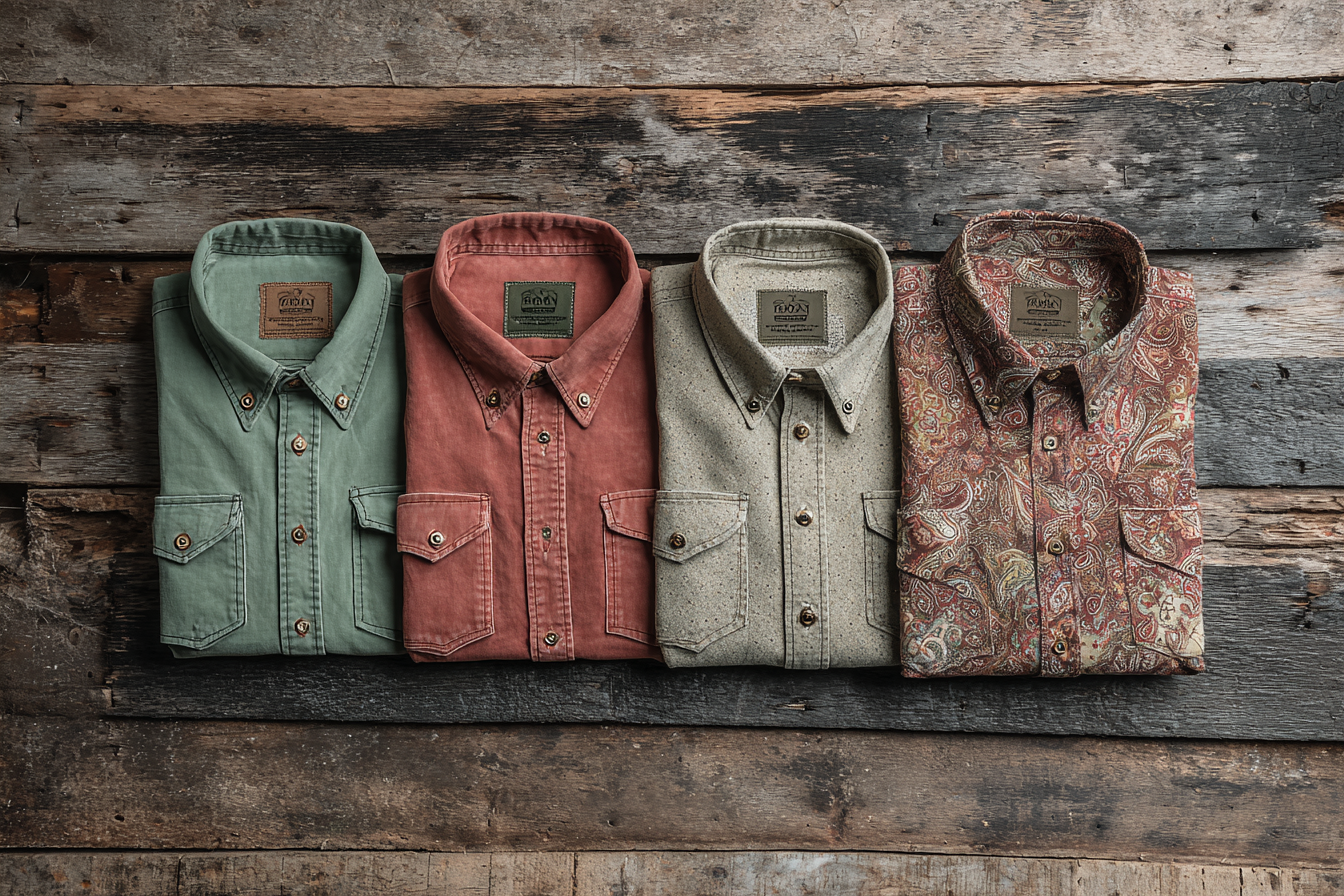
The v2.3 kit pinned sage to #5E7358 after the bare word drifted olive in three plates. The hex failed at the same rate — it drifted in DB-front-v2, 1A-product, 16B-product and W1. Diffusion reads a hex as tokens, not a colour lookup.
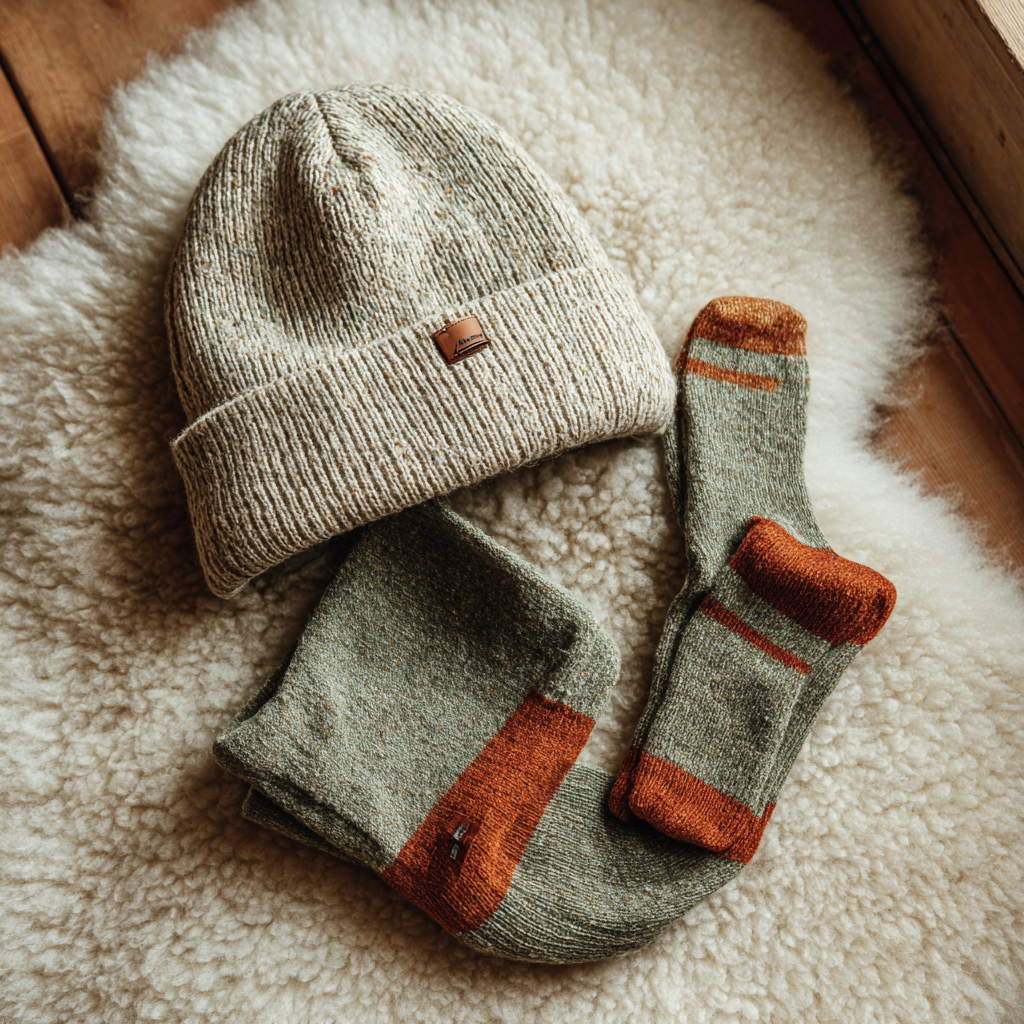
What holds is a relational description: "a muted grey-green, cooler and greyer than olive, no yellow or brown in it." Proven on 11A-v2 — sage held for the first time in seven attempts. The model can't resolve a name or a code, but it can follow a direction away from a known failure. Describe the colour against its failure mode.
02 · The junction rule — a sharper version of the High-Y rule
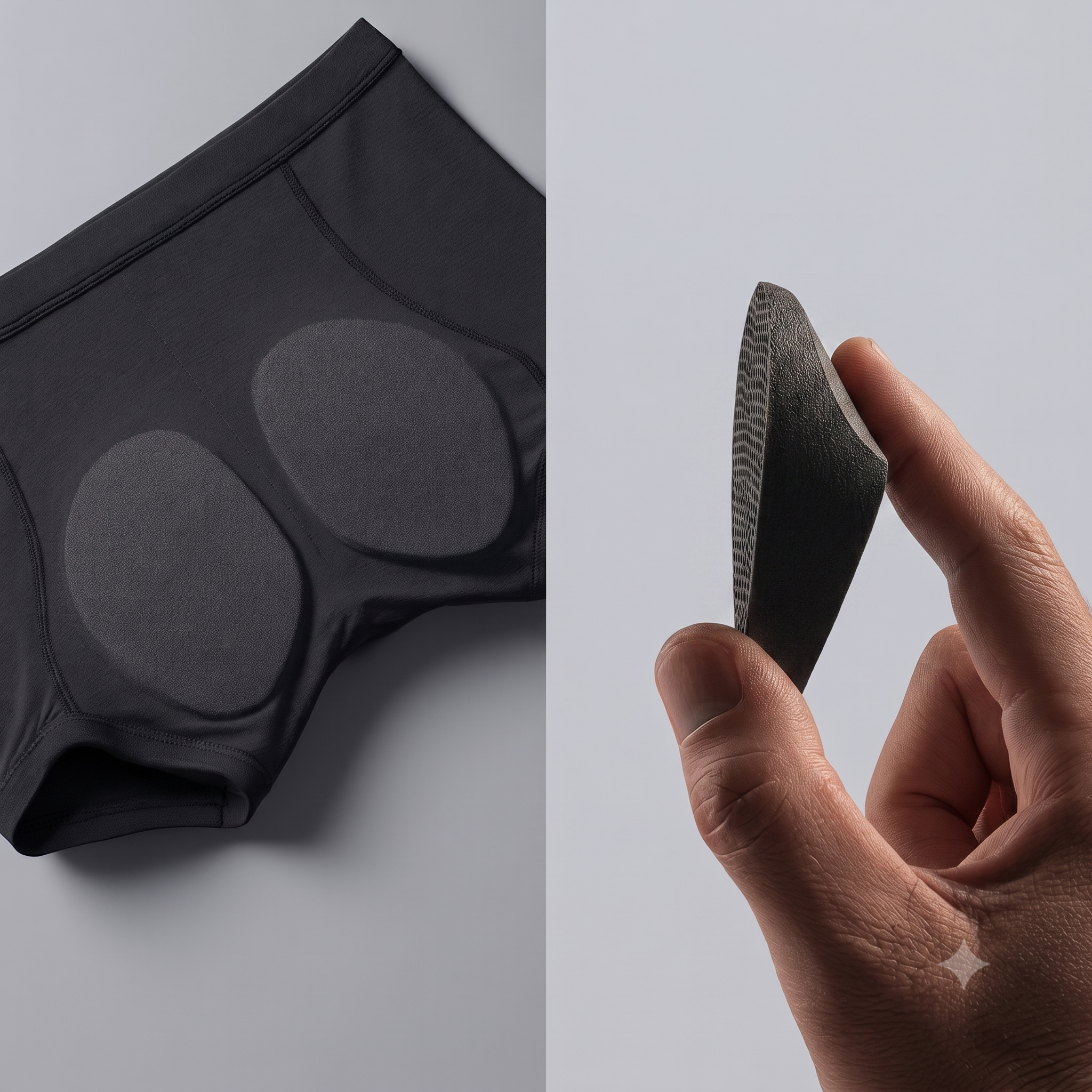
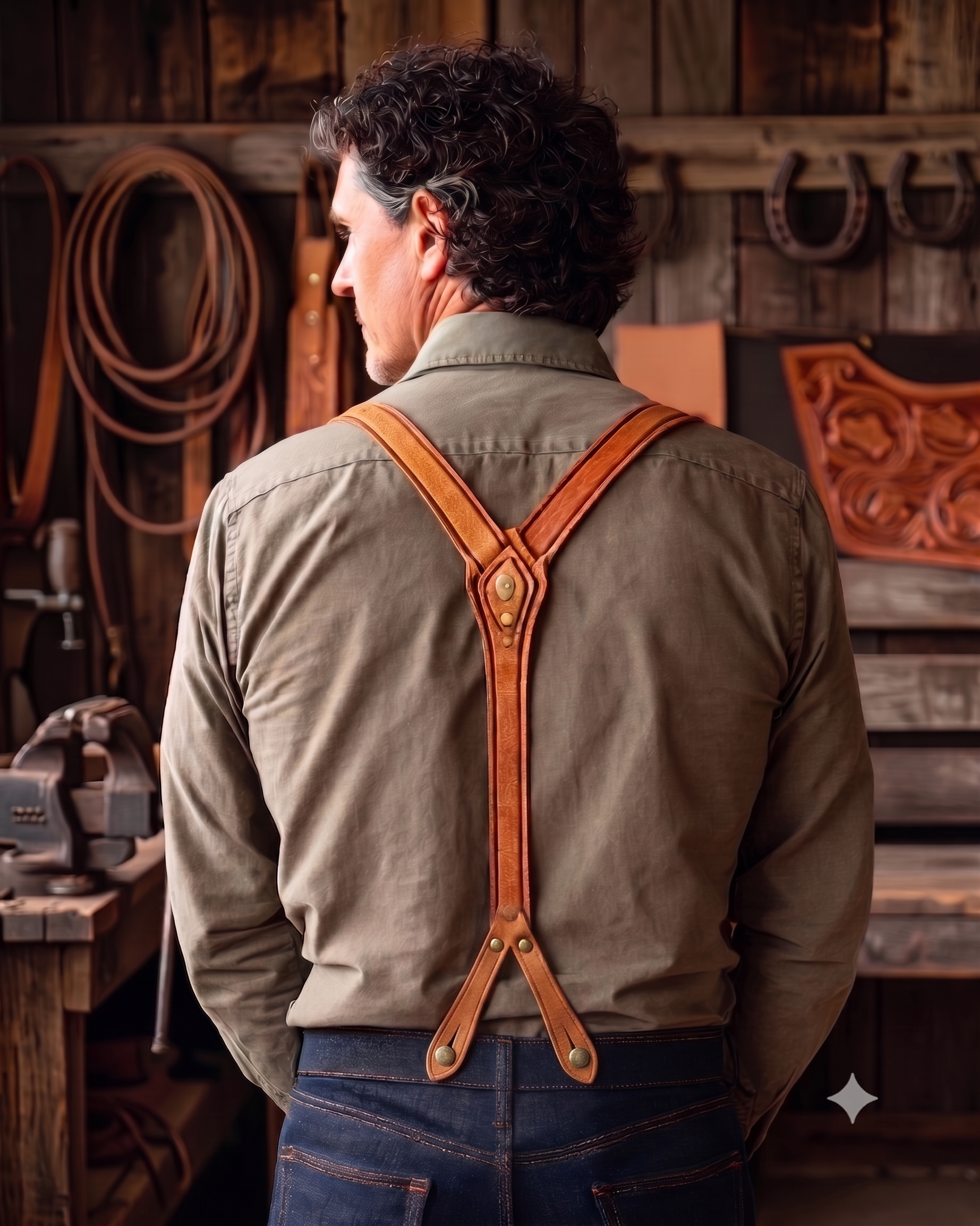
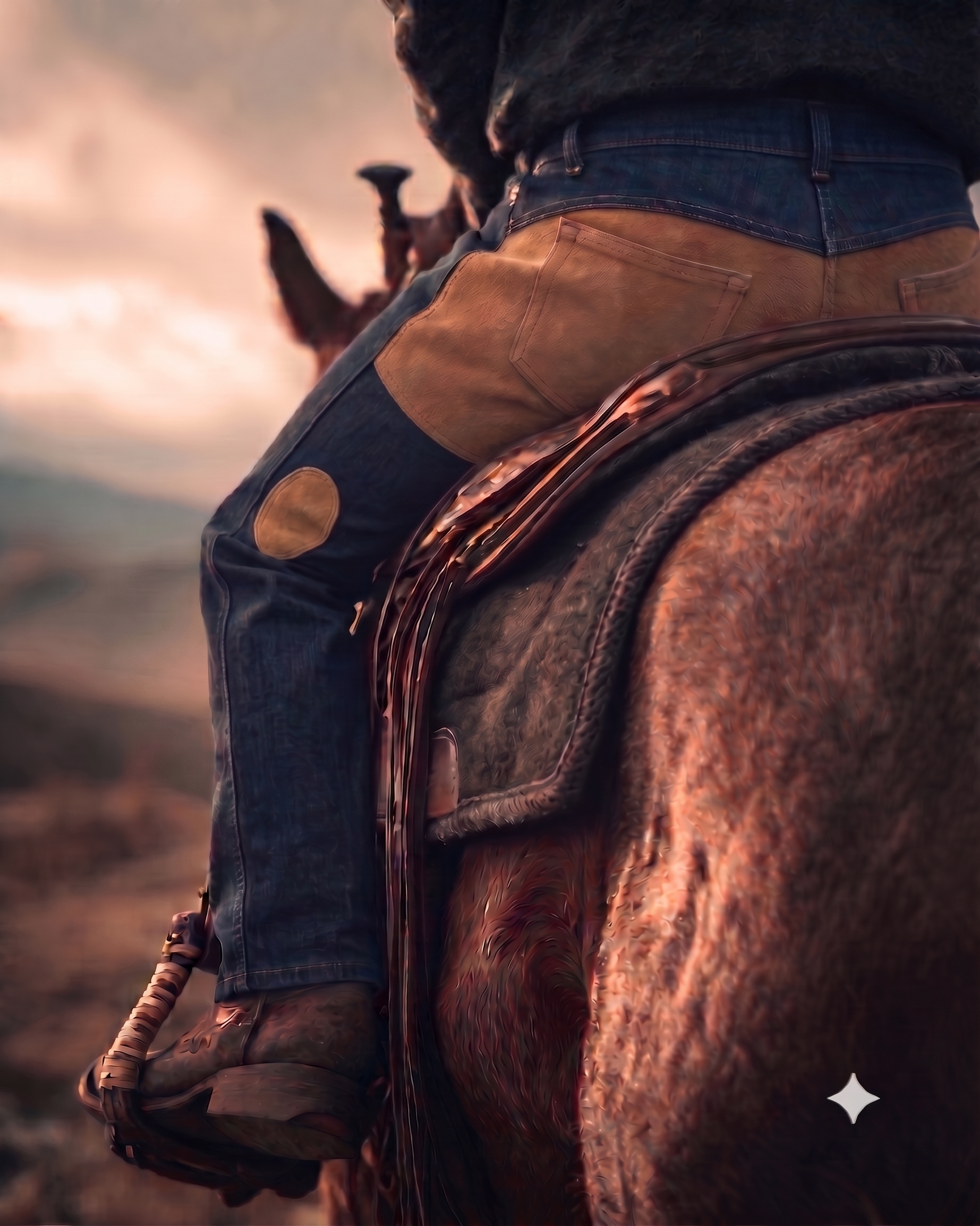
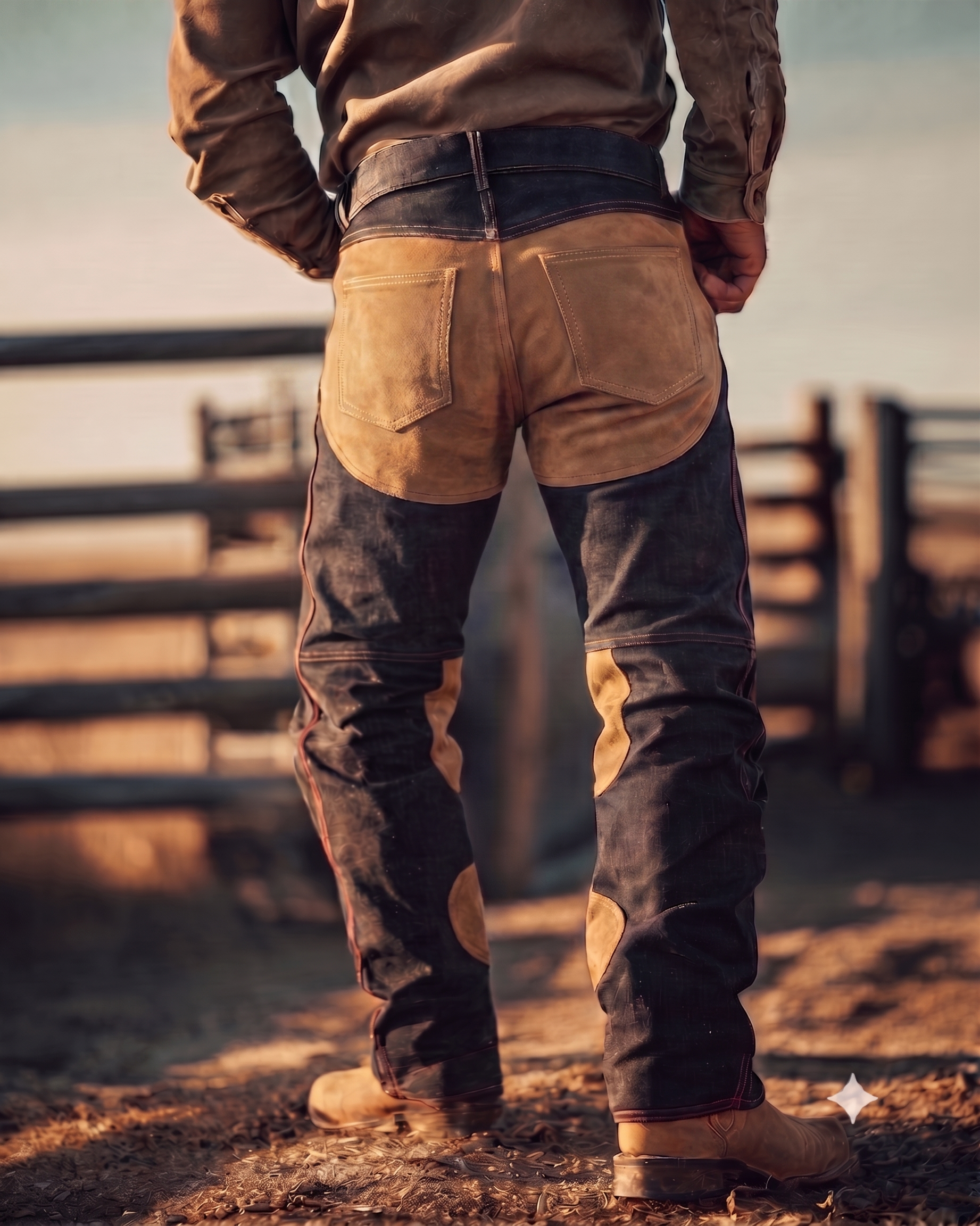
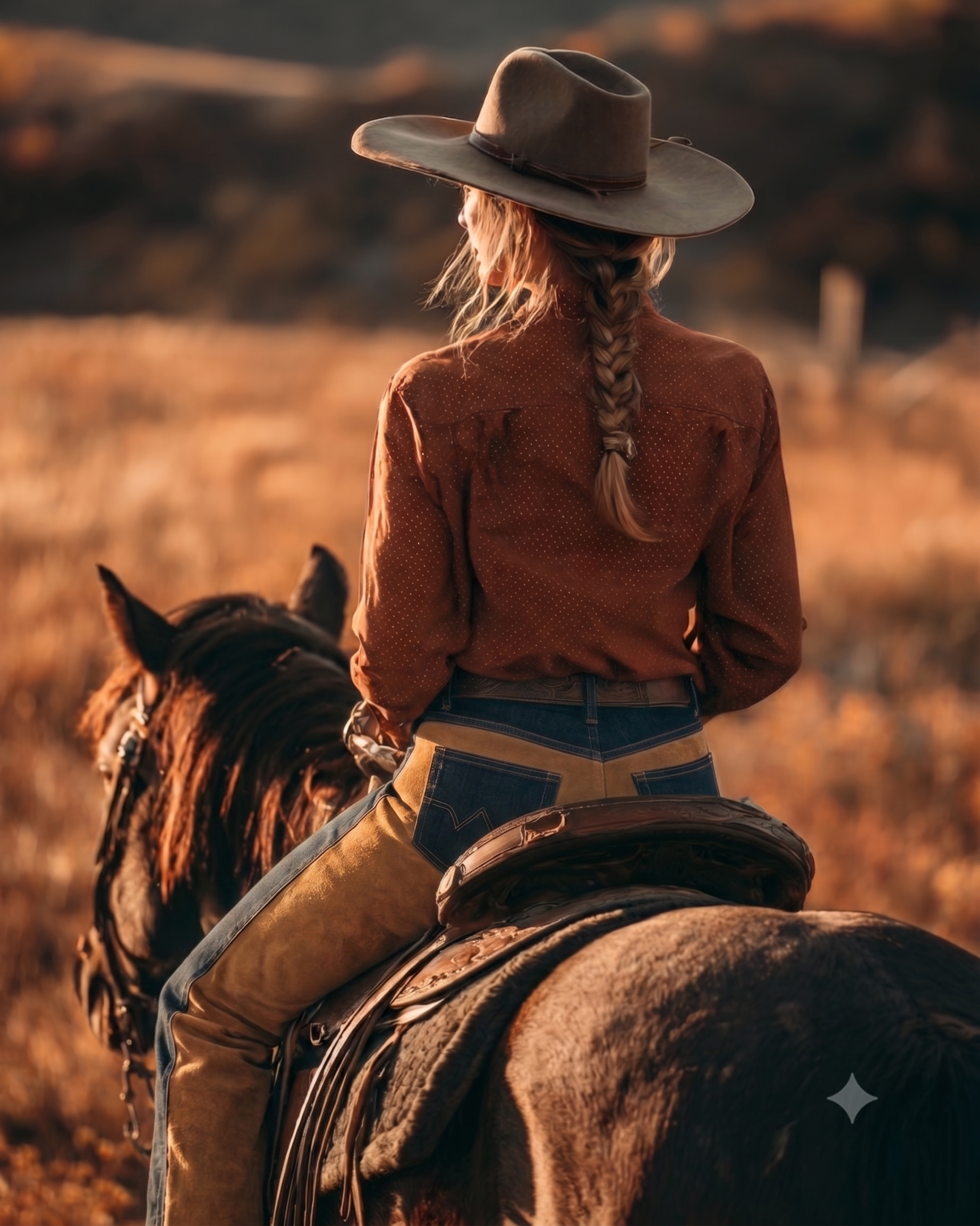
Every refusal so far has been a junction between two materials or parts: the Y-brace convergence, suede meeting denim, snap meeting stud. 2C is the counter-example that clarifies it — twin-lobe geometry, taper and perforations all landed in the edit layer, because a pad is a surface feature on a single object, not a join.
This predicts which diagrams are load-bearing. High-Y, seat panel and Tail Latch are all junctions — those three diagrams are essential. The pad taper diagram is now optional; the photograph does the job.
03 · Lettering is repairable — marks are not
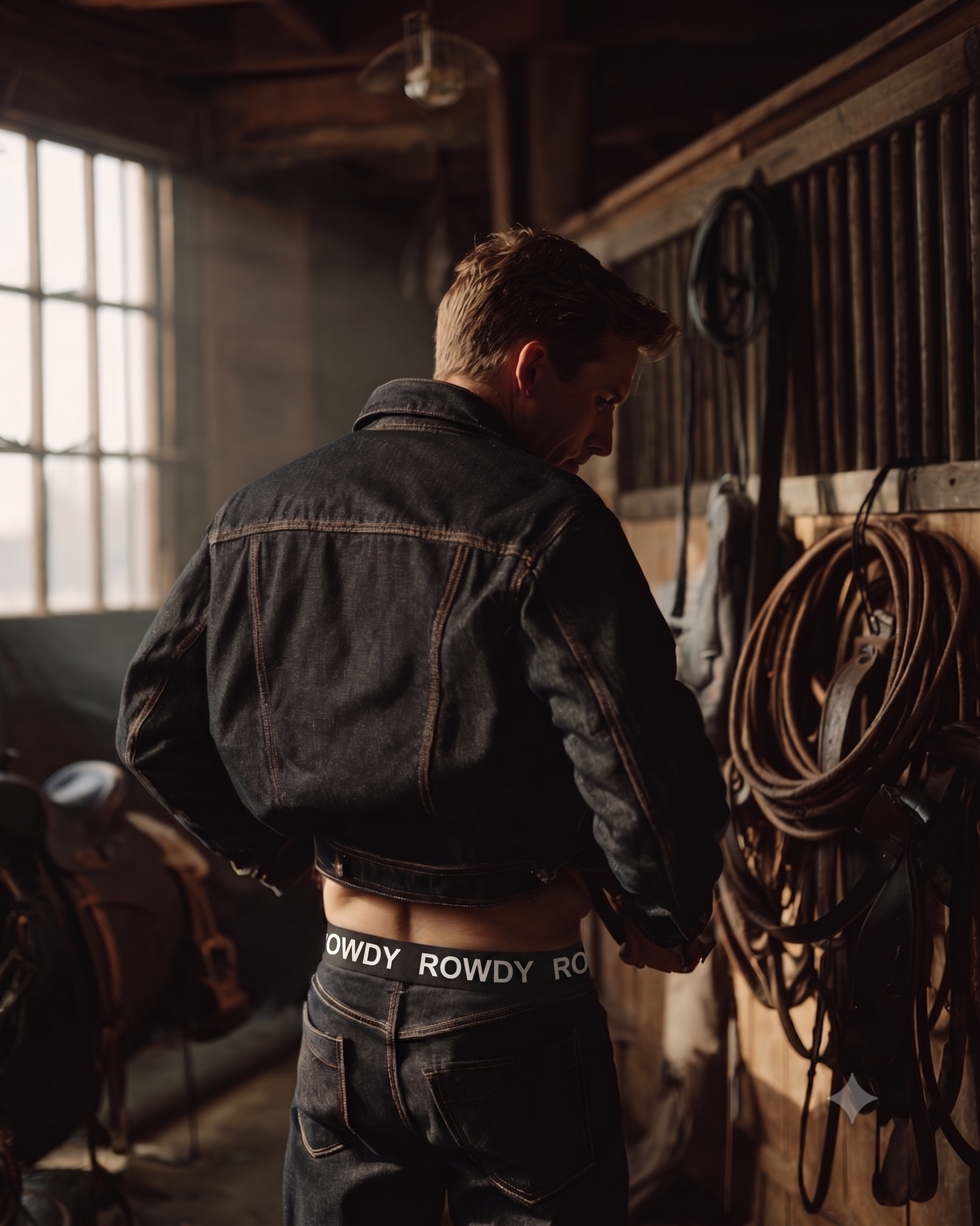
The kit assumed AI text always needs a designer. 2A disproved that — Nano Banana repaired malformed ROWDY lettering into clean, correctly-spelled, evenly-repeated type in one pass. Repeated simple words on a flat band are within reach of the edit layer.
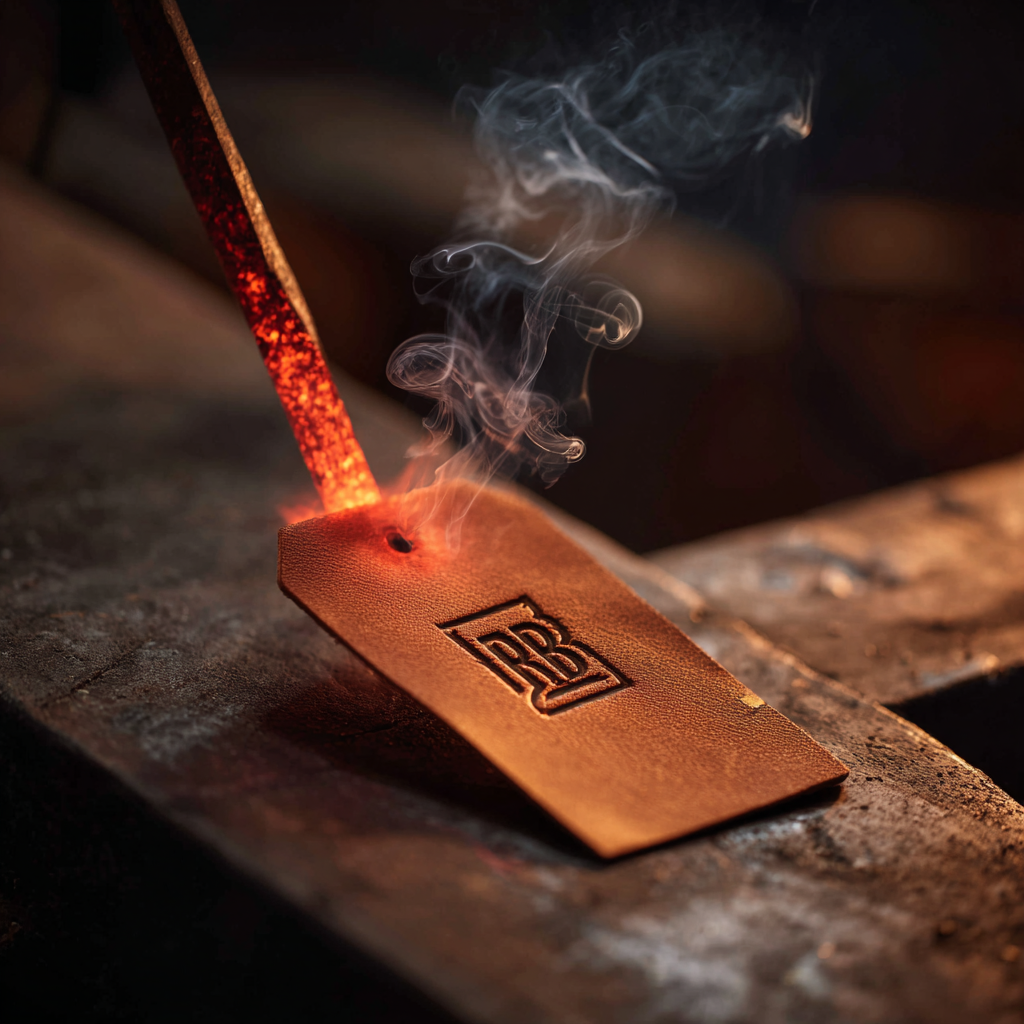
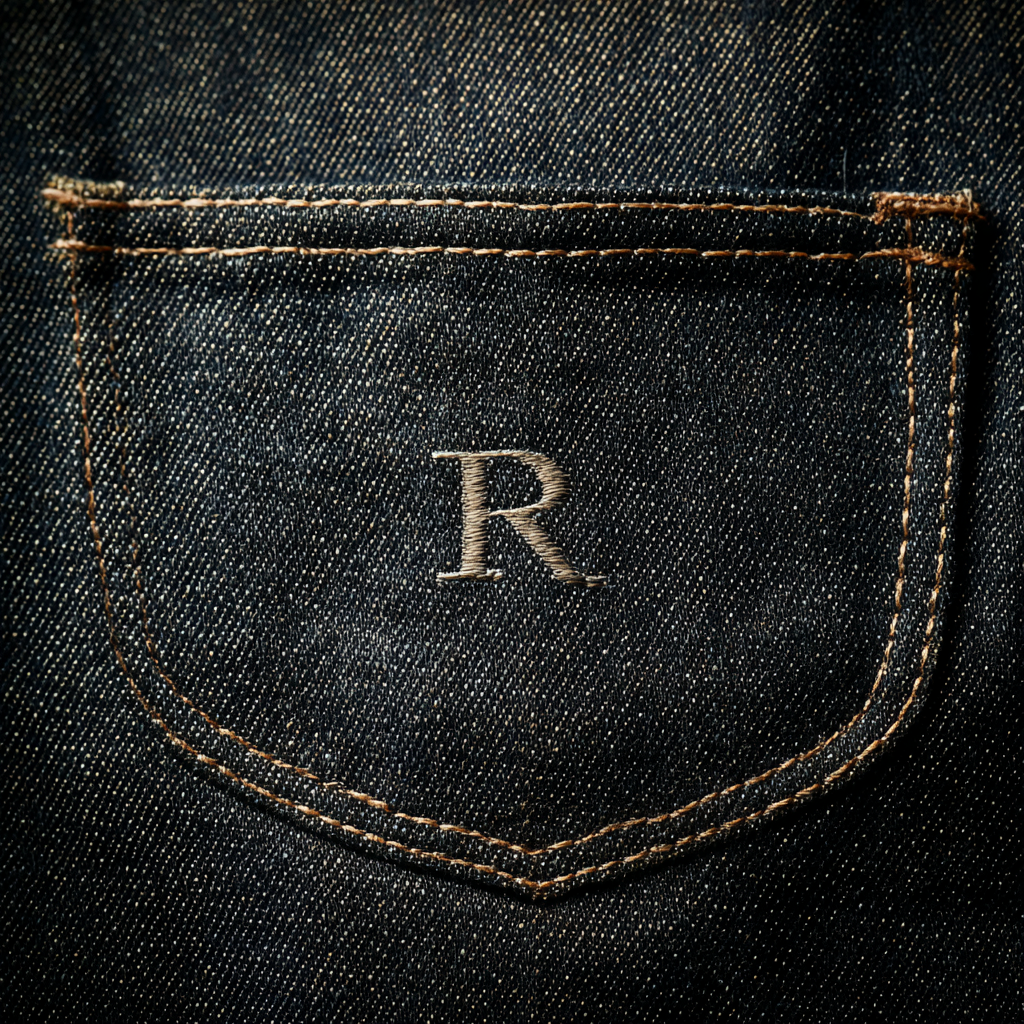
The double-R is different: it's a unique symbol with no linguistic prior, and it has failed three times. Words can be repaired; marks must be built.
04 · "Bib liner" has no stable concept
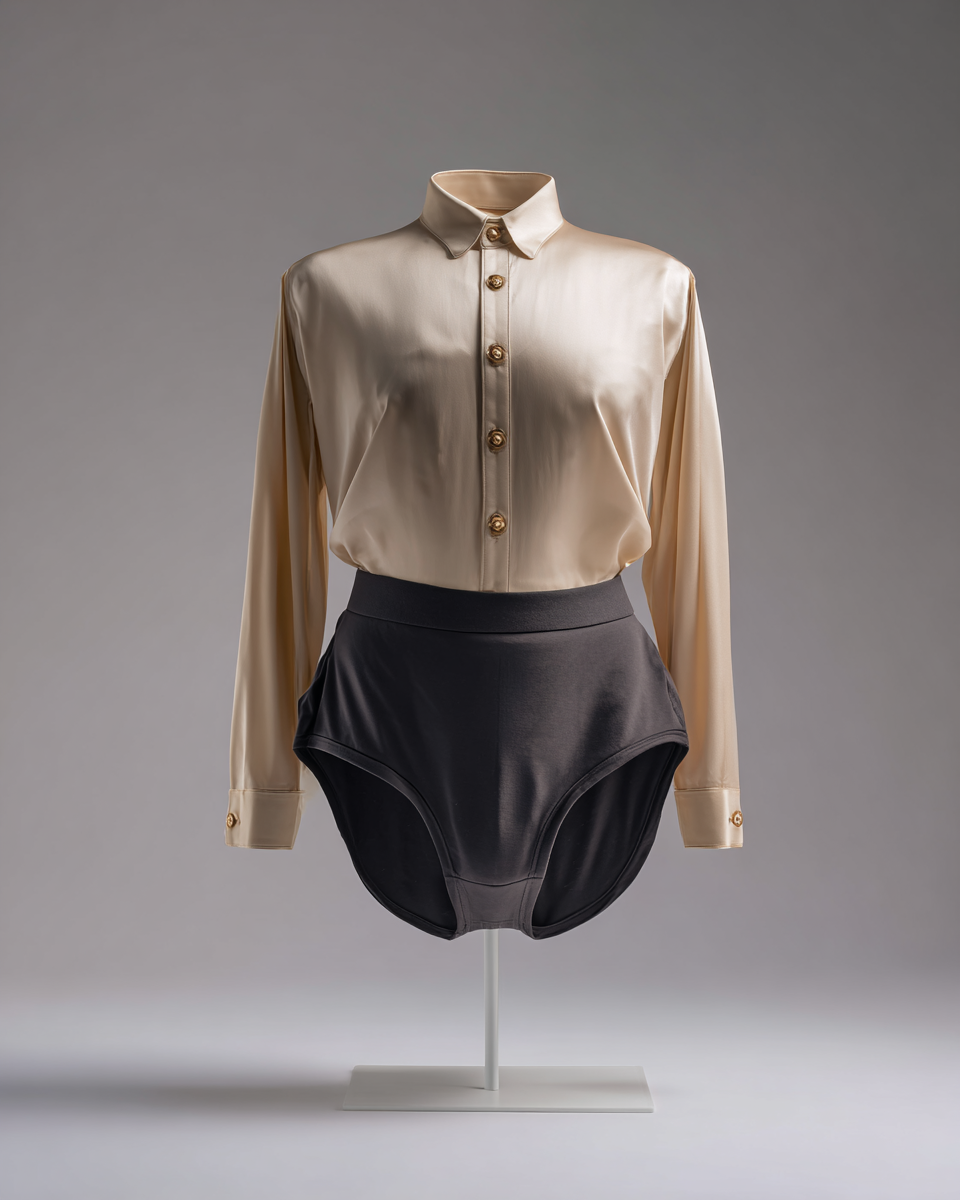
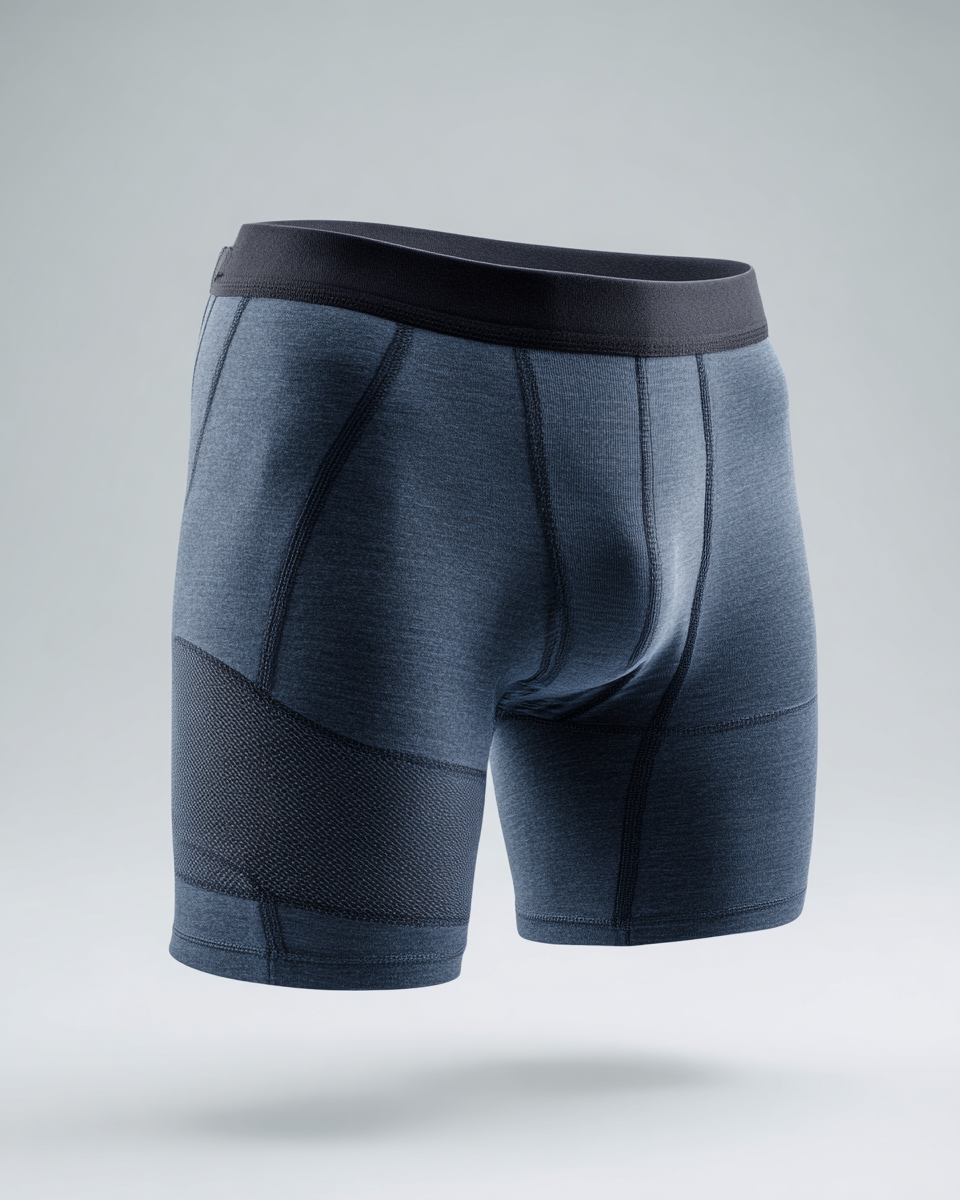
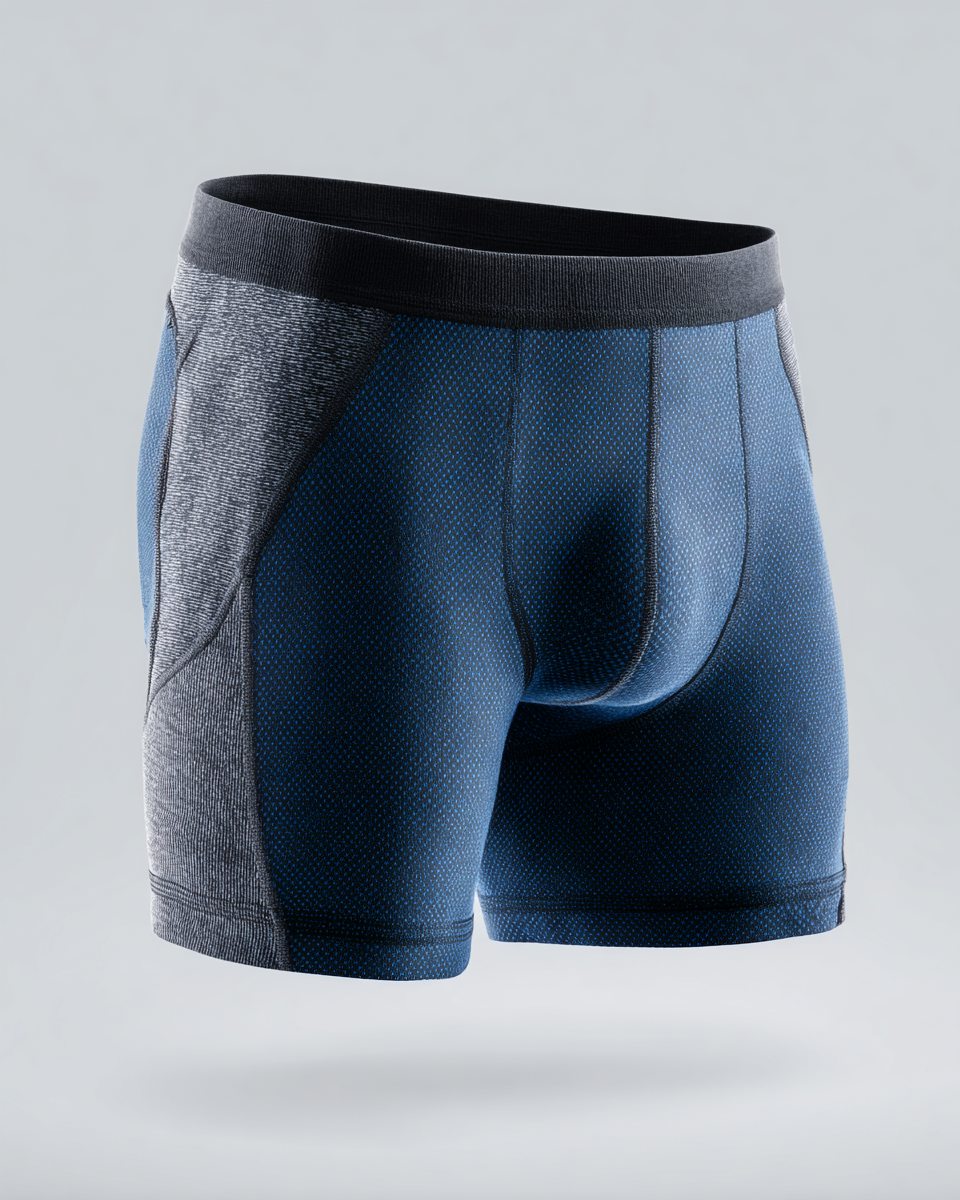
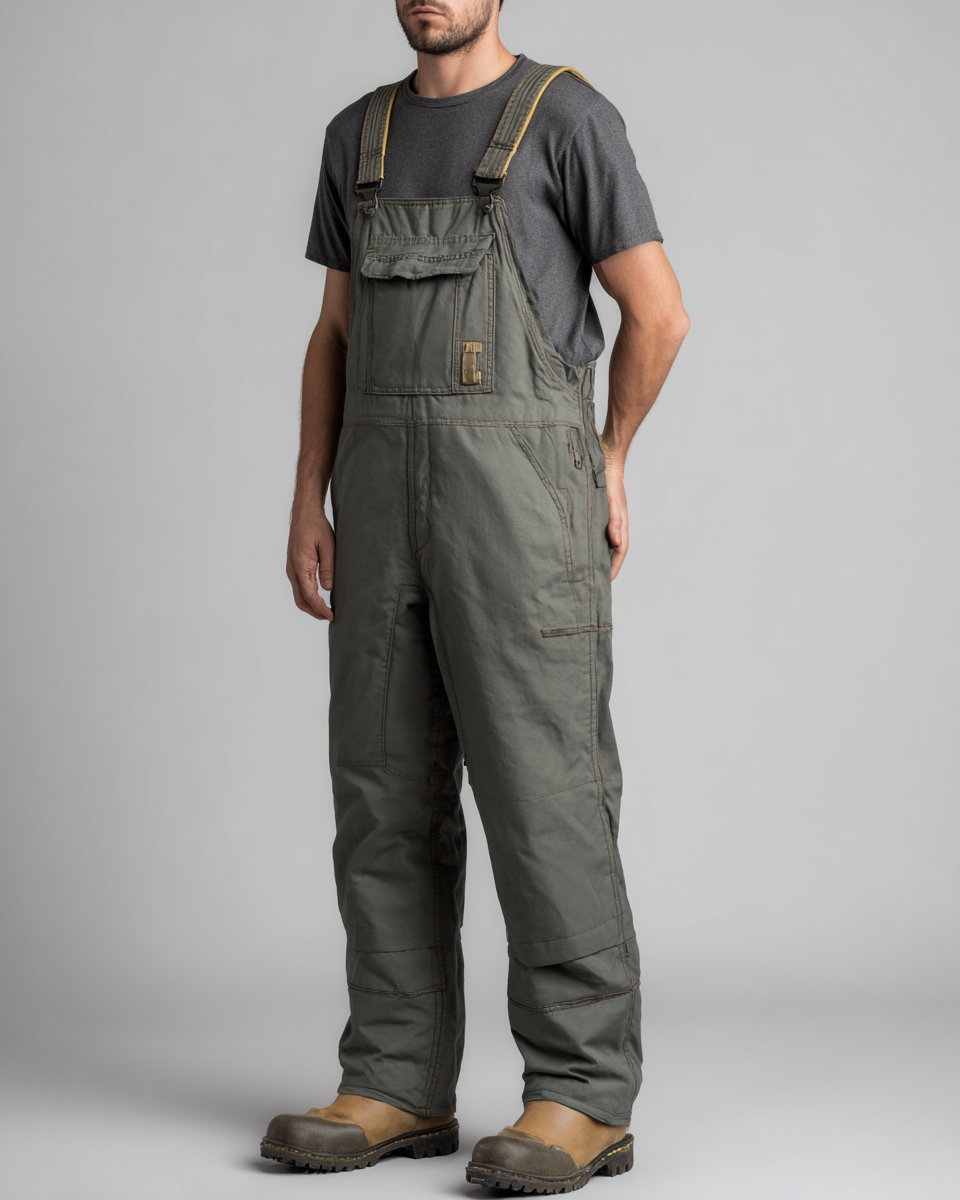
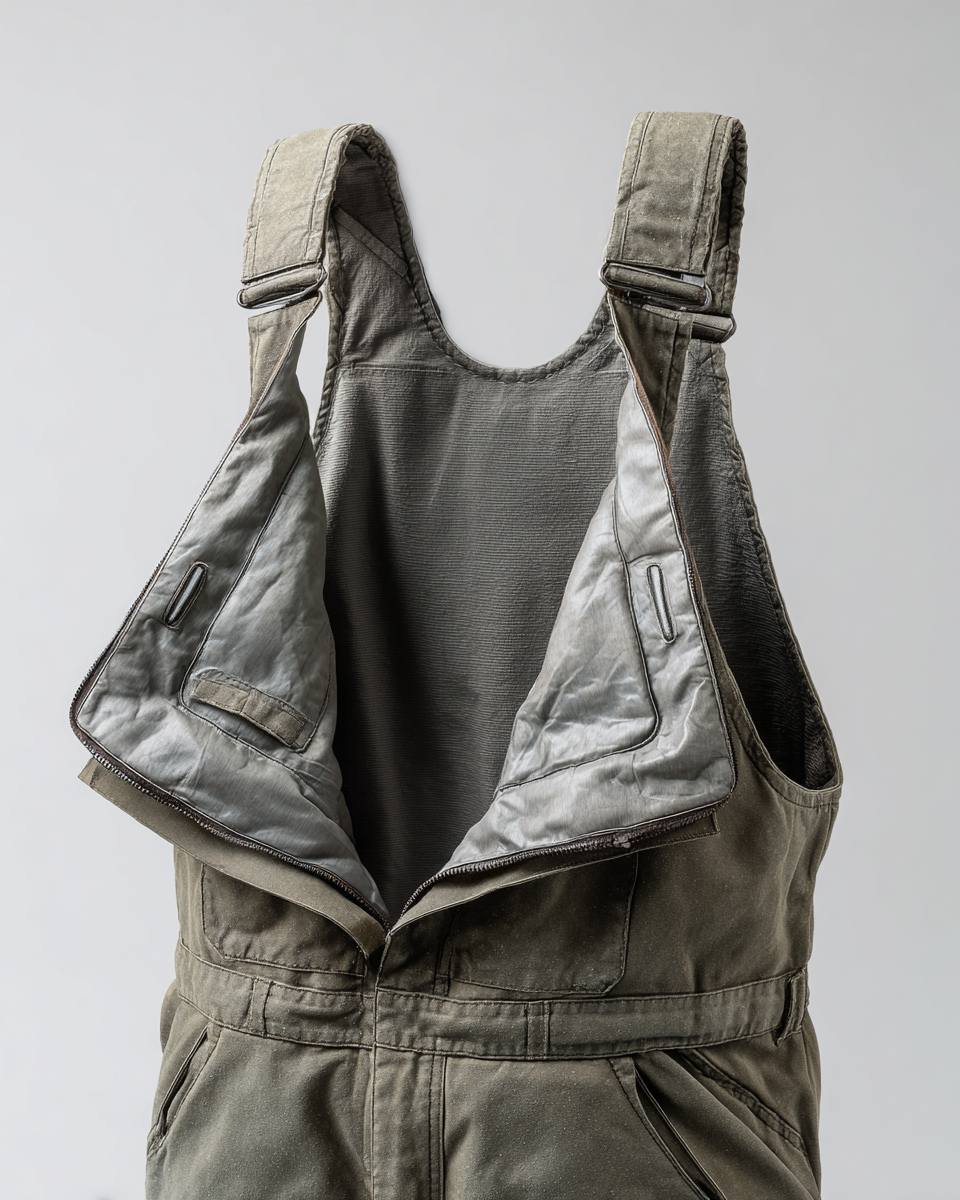
Four attempts at 5D. Say "bib" and the model renders cycling kit — skin-tight, compression tights, visible chamois. Remove the word and describe shoulder straps instead, and it renders plain suspenders. There is no third reading.
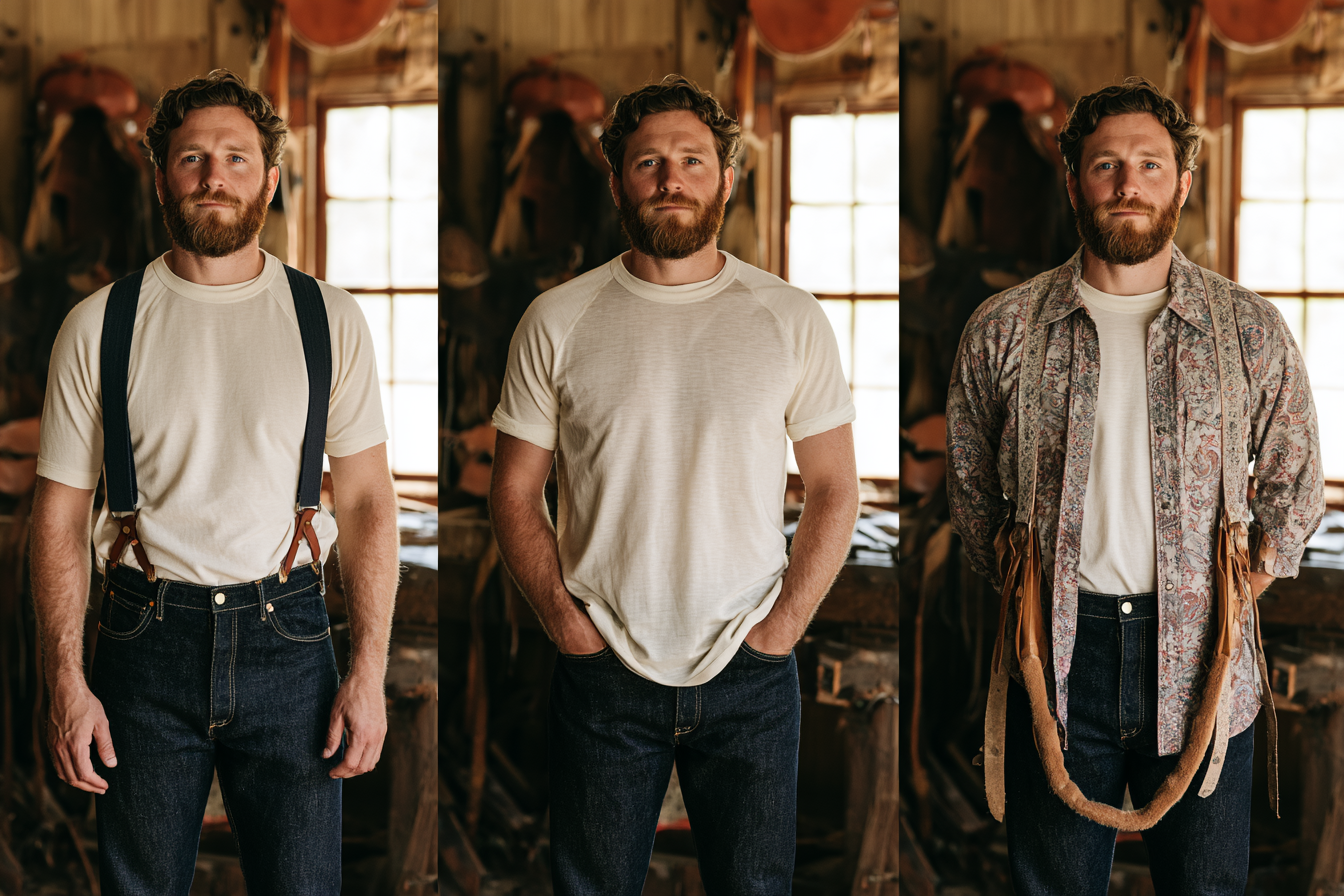
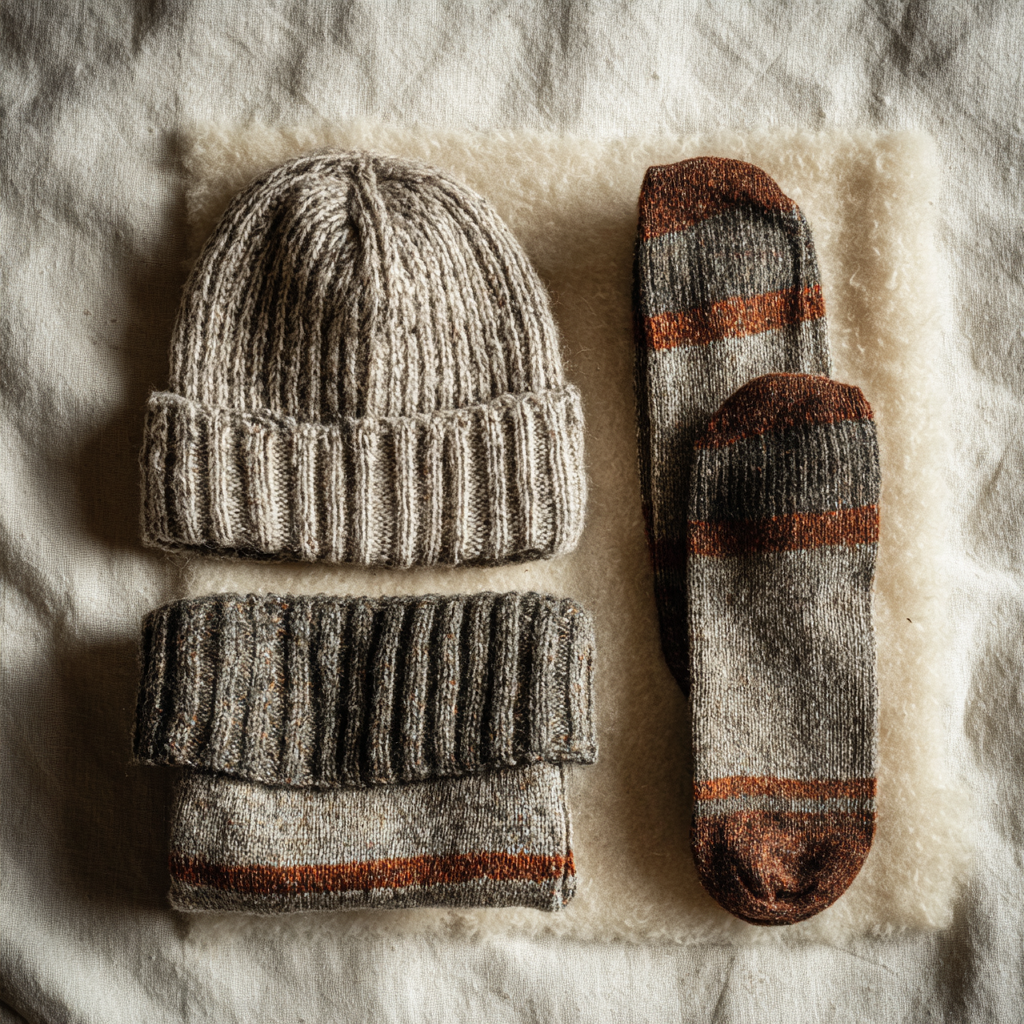
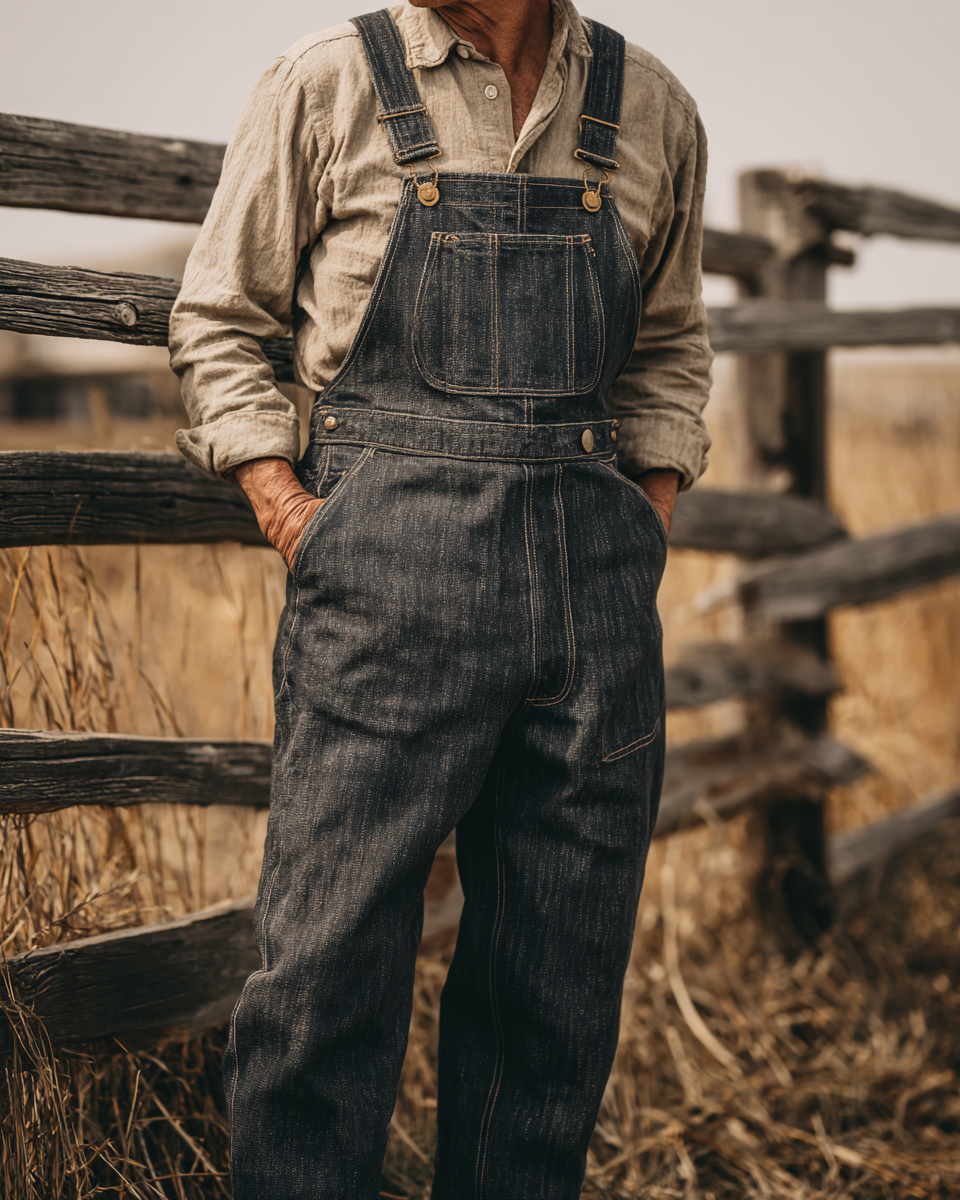
Fix that worked: put jeans in every panel, which makes tights impossible. Fix that remains: the garment needs an invisible-mannequin studio plate (5C) or a diagram. W3 proves the invisible mannequin renders padded knitwear correctly — that's the route.
05 · Exposure is a tool job, not a prompt job
Asked to brighten one region, the edit model lifted the entire frame — jacket, wall and window together, flattening the contrast that made 2A the pick. The edit layer has no concept of "this region only" for exposure. Local brightening, dodging and burning are tool work. Prompt for content; use a tool for light.
06 · The model imports competitors' trademarks
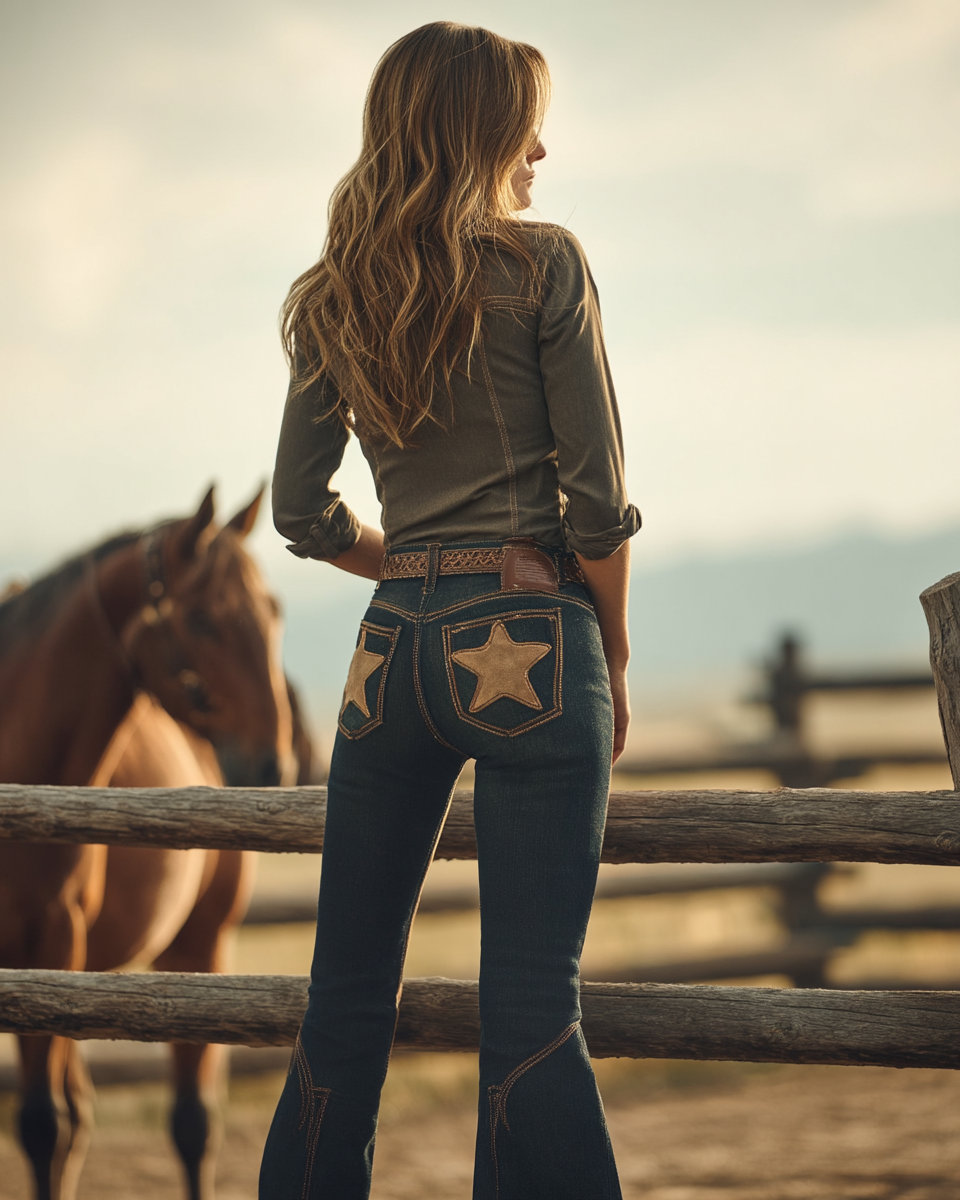
Both conformed jean plates came back carrying Wrangler's arcuate W stitched into the back pockets, plus a leather patch label at the waistband. Neither was prompted for. "Western jean" in the training data means Wrangler and Levi's, so their registered marks arrive with the silhouette.
Removed from both before anything ships. Add to standing negatives on every jean plate: no arcuate stitching, no W pocket stitching, no brand patches. This is a legal exposure, not a styling note — a manufacturer package carrying a competitor's trademark is not a package you can send.
07 · Crop size decides whether a detail renders at all
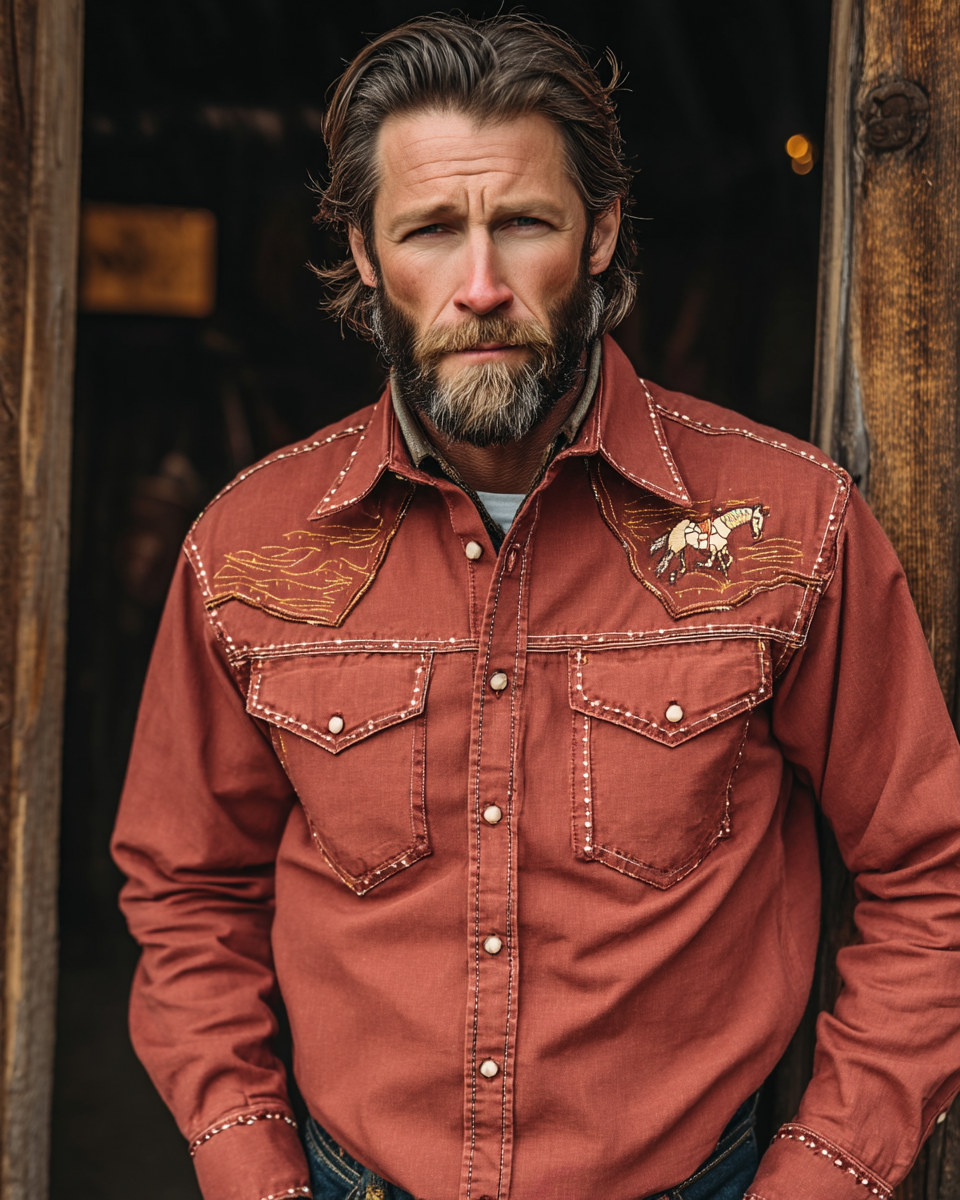
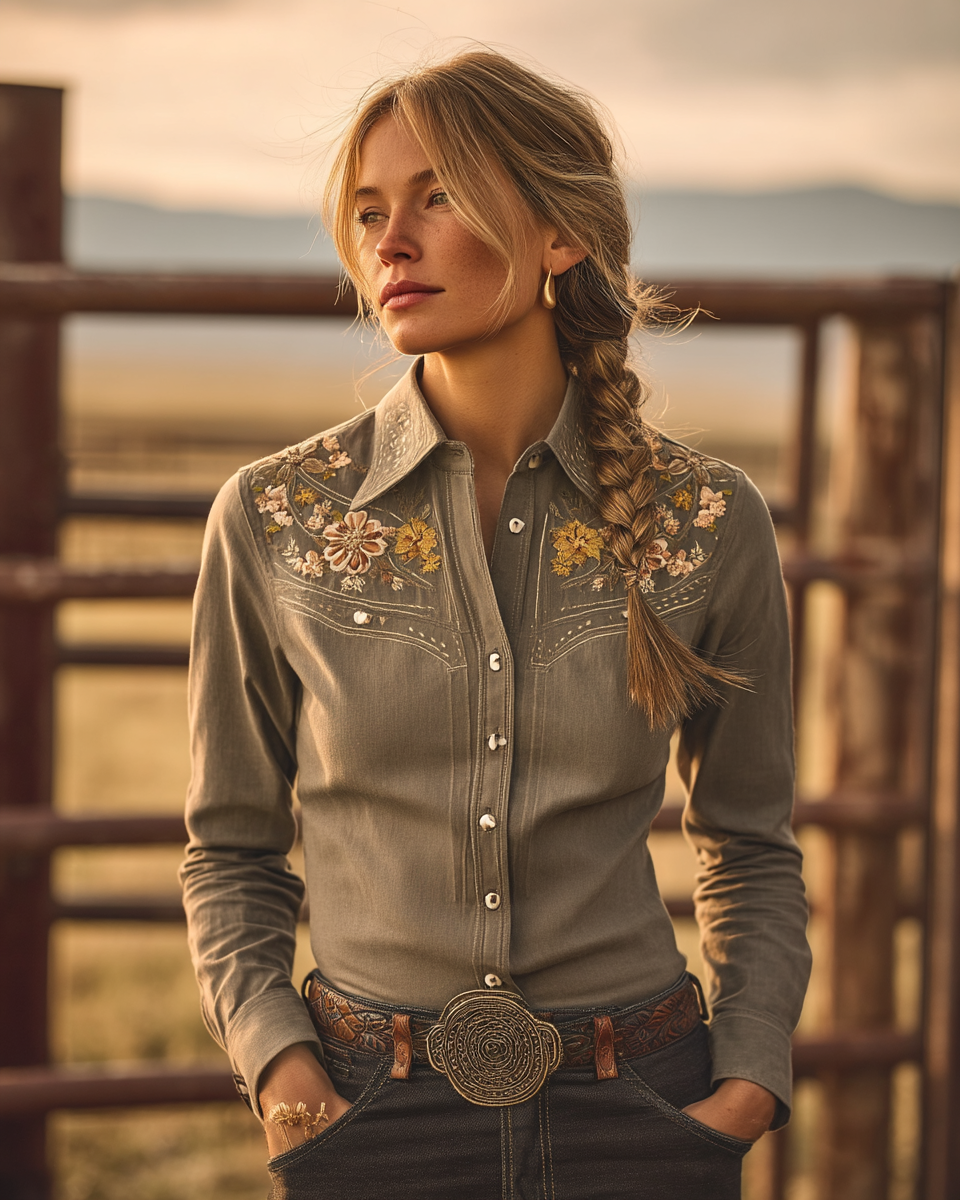
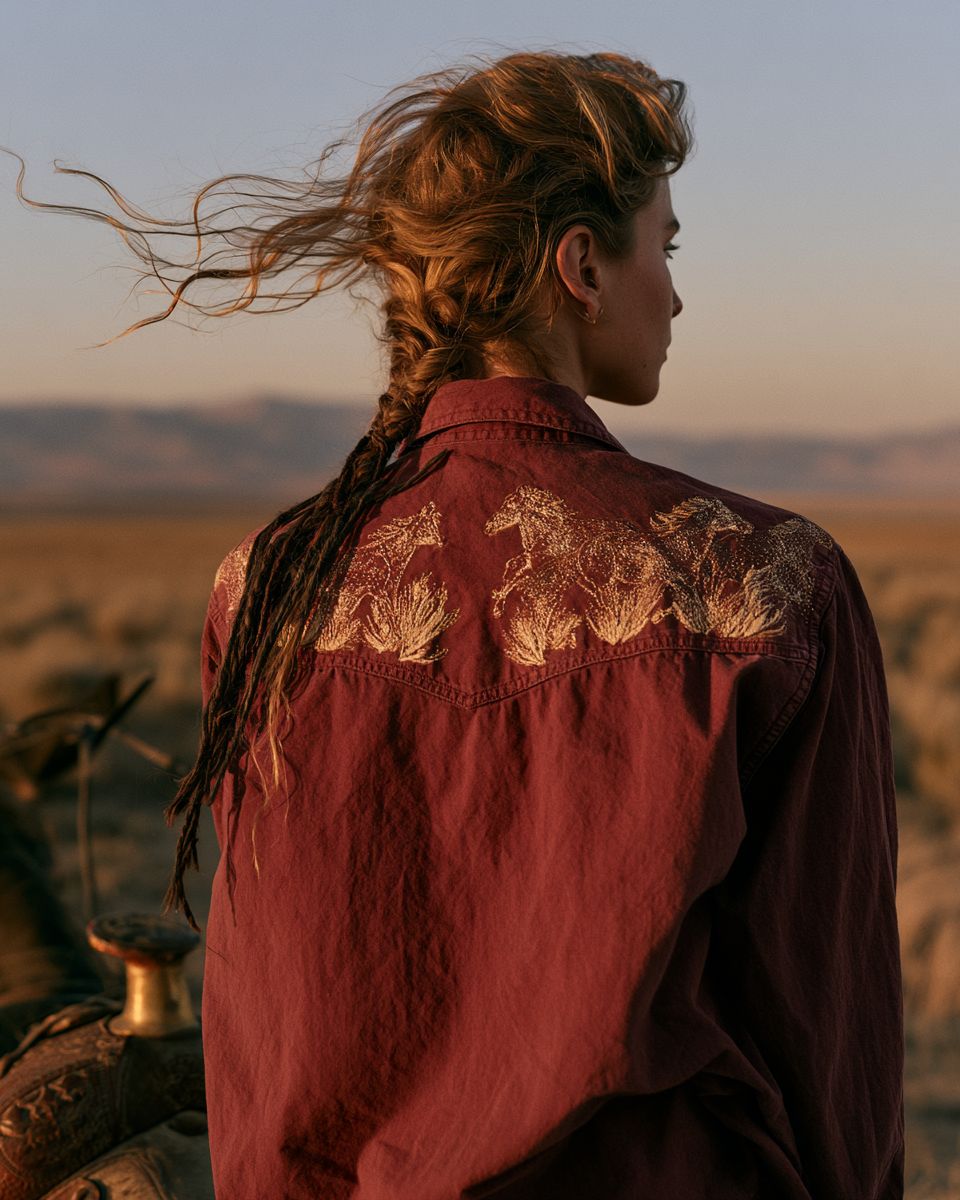
S5 was run twice with the same prompt and the same motif. At full-body distance the back-yoke embroidery did not render at all — four frames, four plain backs. Cropped to half-body, it landed clearly in two of four.
Below some fraction of the frame, the model treats a specified detail as noise and drops it. This is a framing problem, not a prompt problem, and it applies to every small engineered feature in the program — hem tabs, snap hardware, pocket geometry, brand marks. If a detail matters, the crop has to give it room.
08 · Material words drag the garment category with them
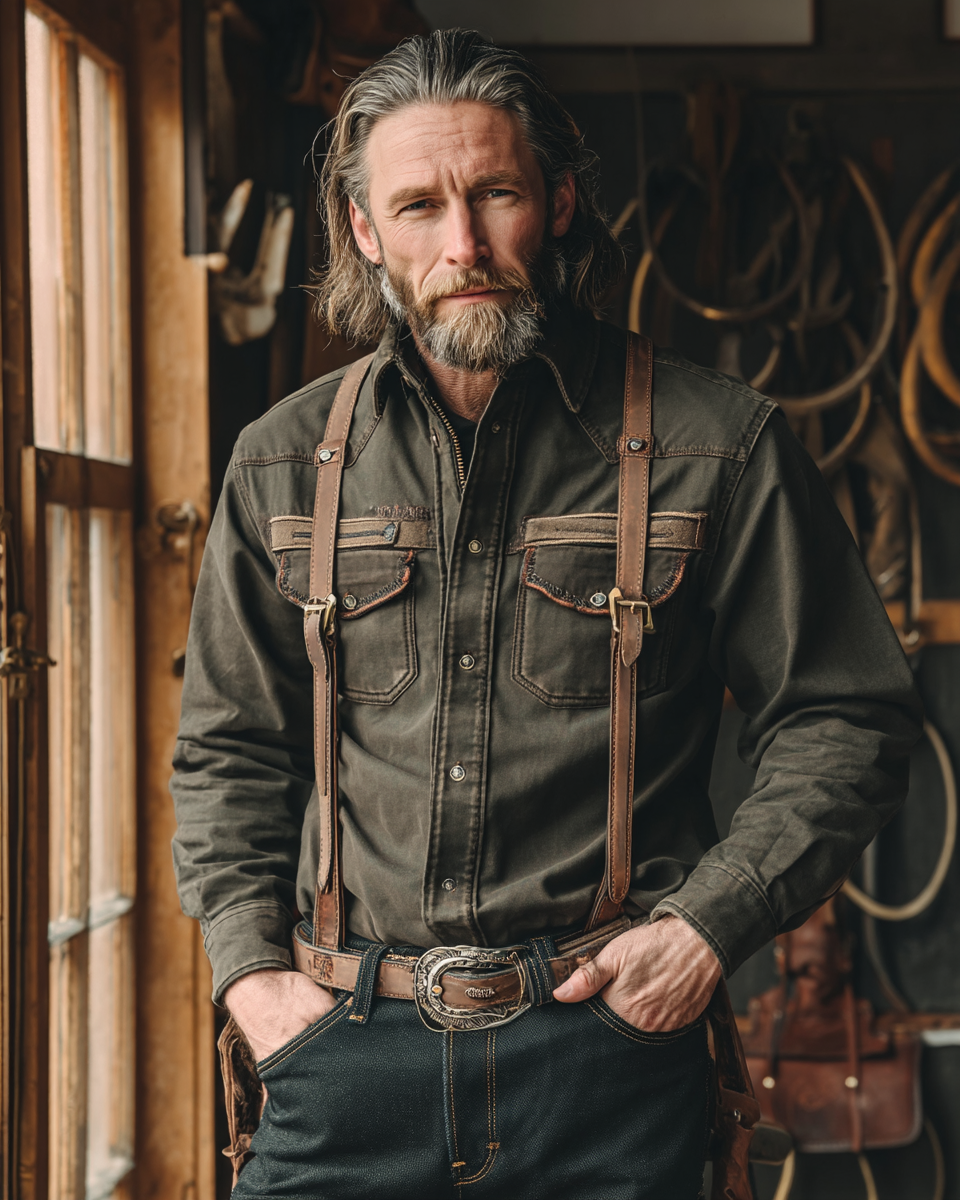
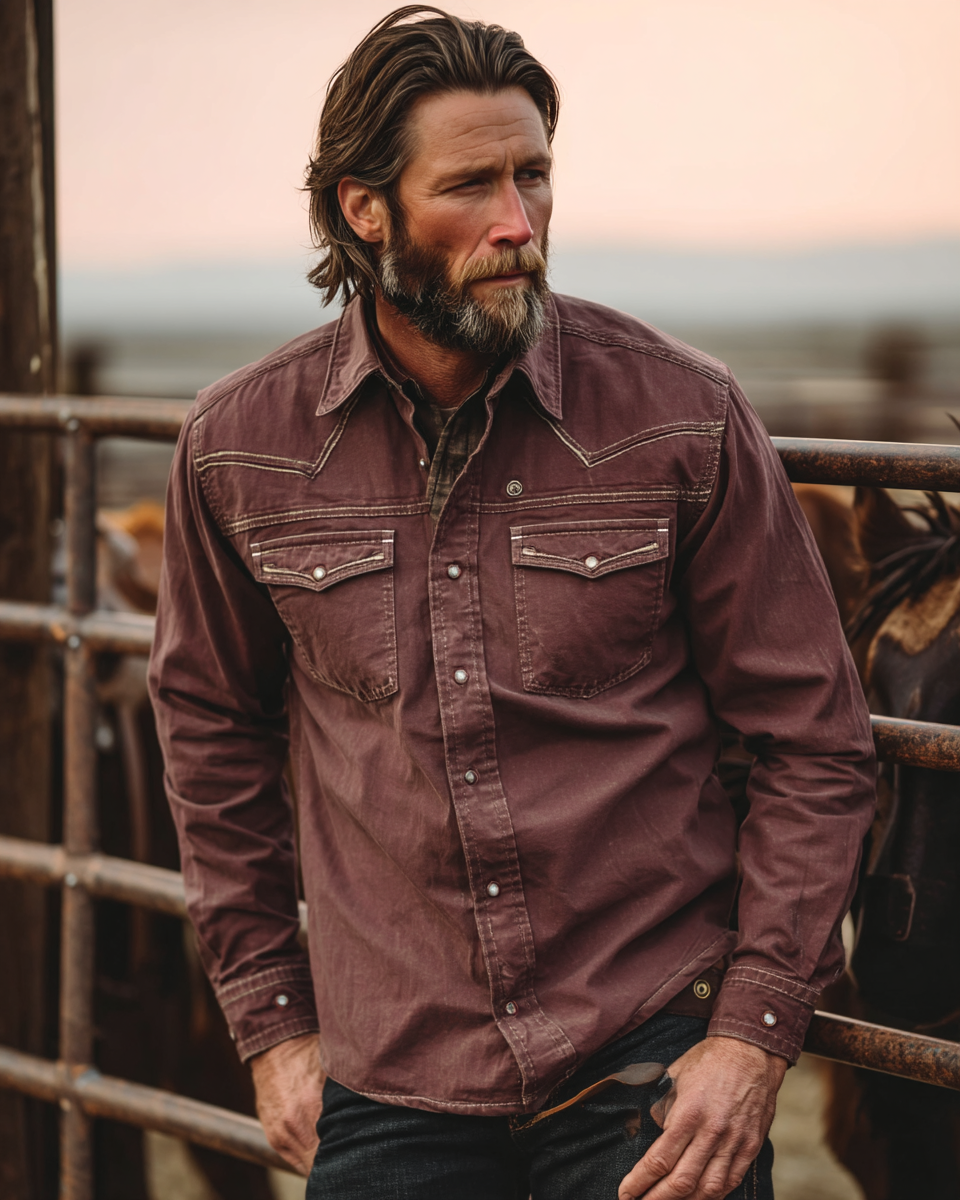
Three separate instances this batch. "Oxblood" returned leather jackets in four of four frames — it's a shoe-and-jacket word, almost never a shirt word. "Saturated" plus a workshop setting did the same on S1. This is the same mechanism as "bib" pulling cycling kit.
The fix in every case was to state the fabric explicitly — "lightweight cotton shirting with visible cotton weave" — and put the wrong category at the front of the negatives. Name the material you want; never rely on a colour or texture word to imply it.
09 · A stitch is thousands of tiny joins
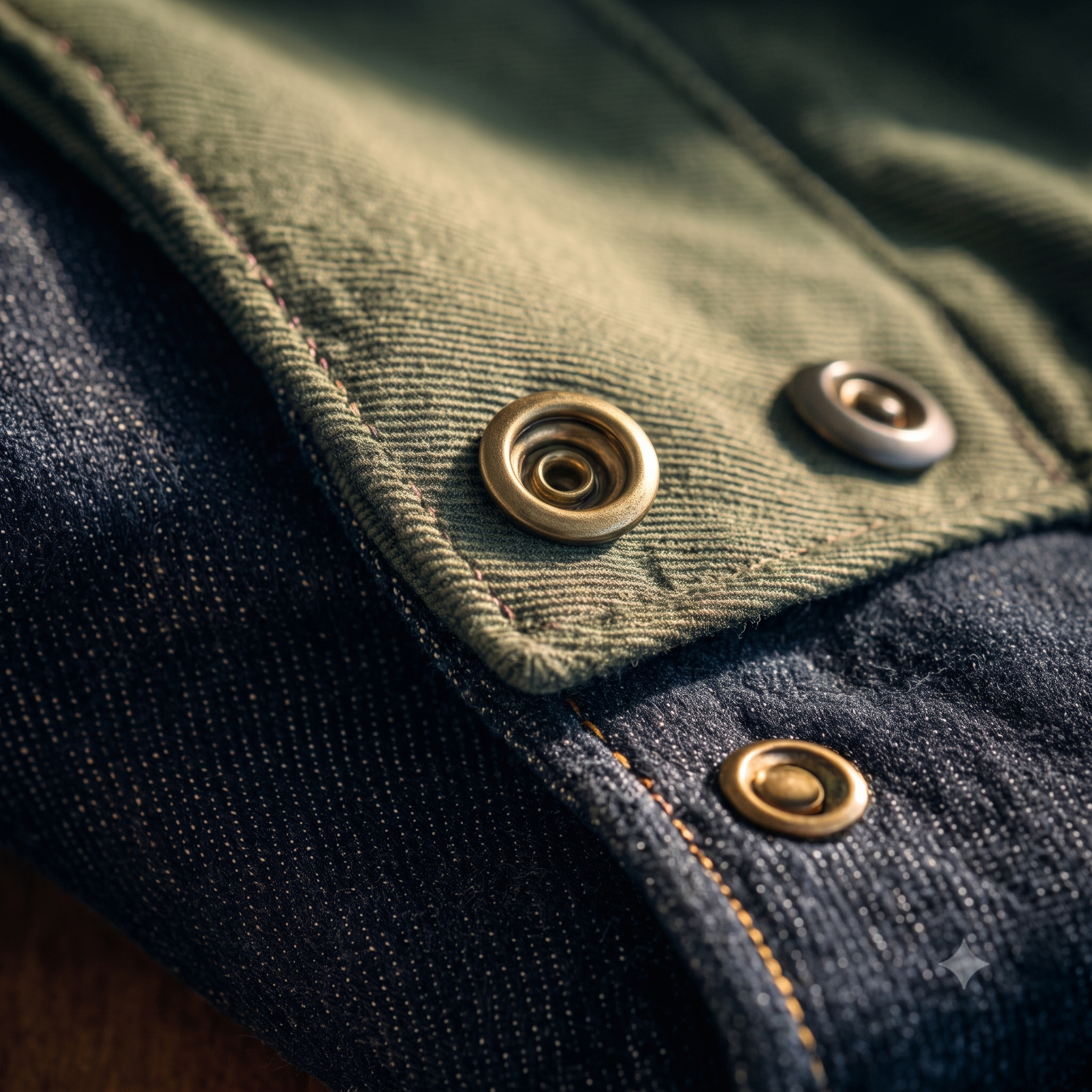
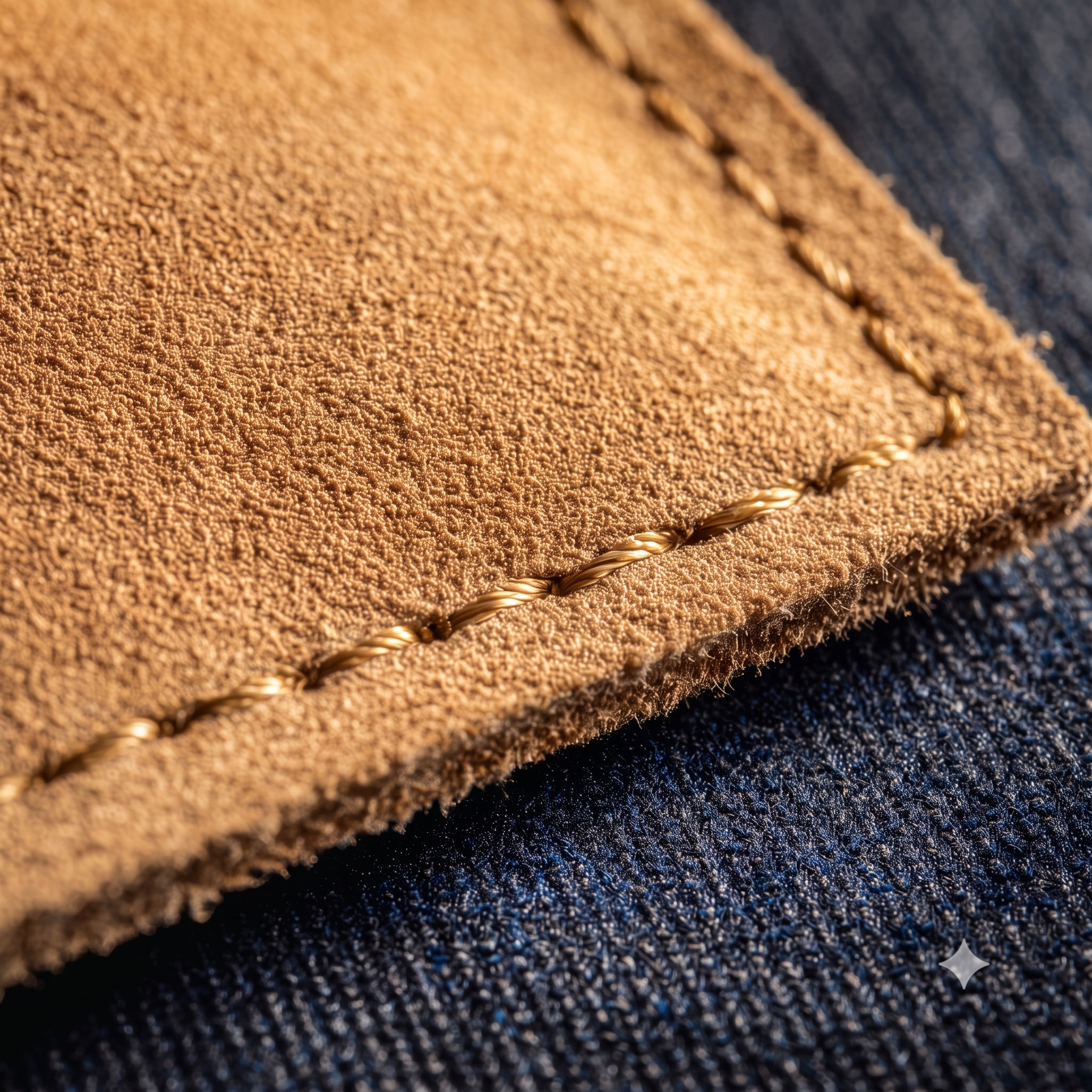
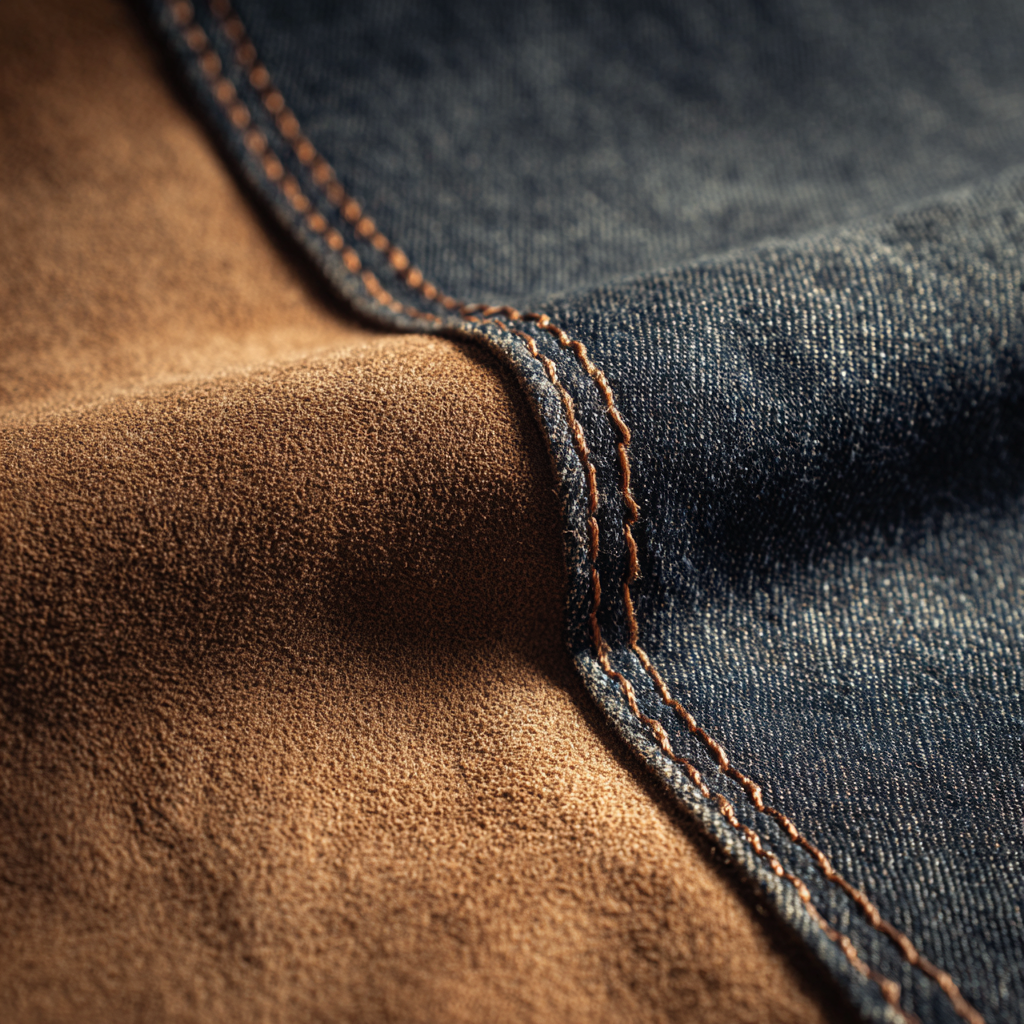
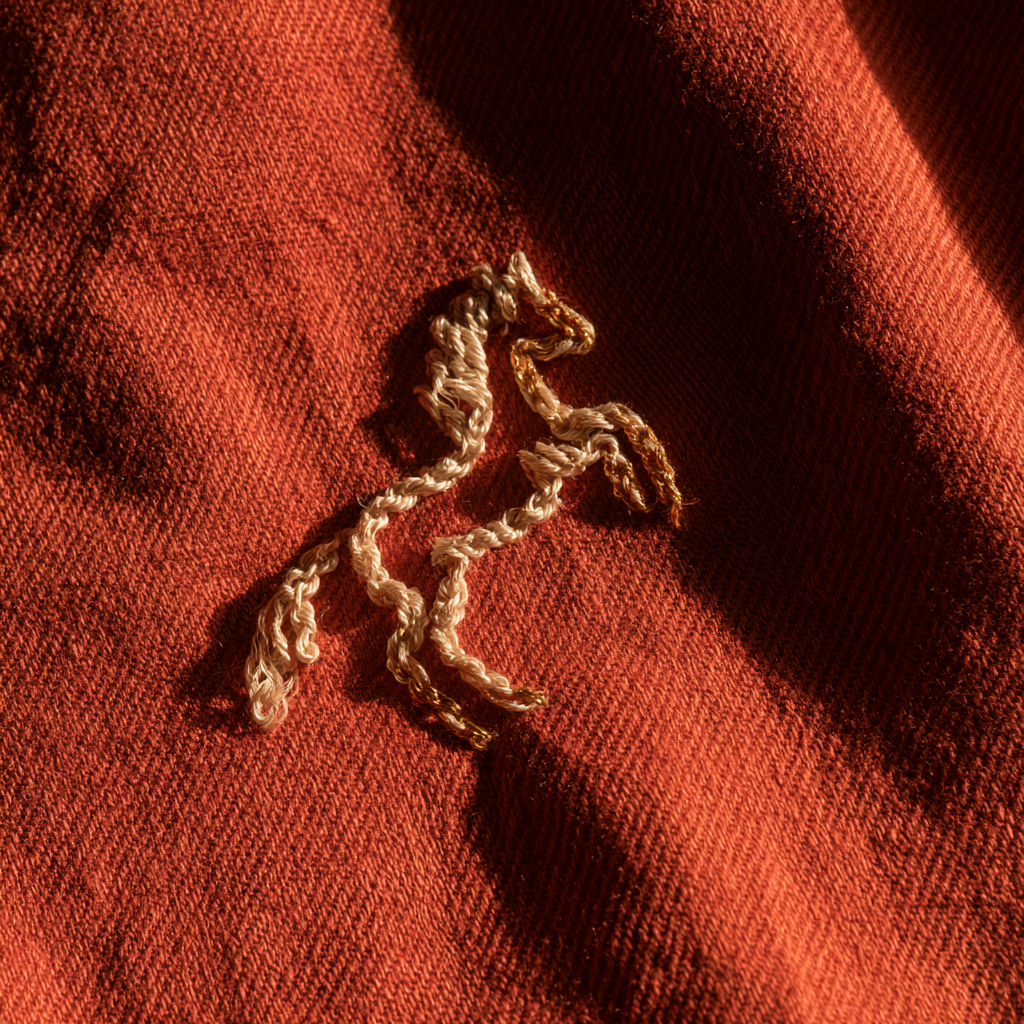
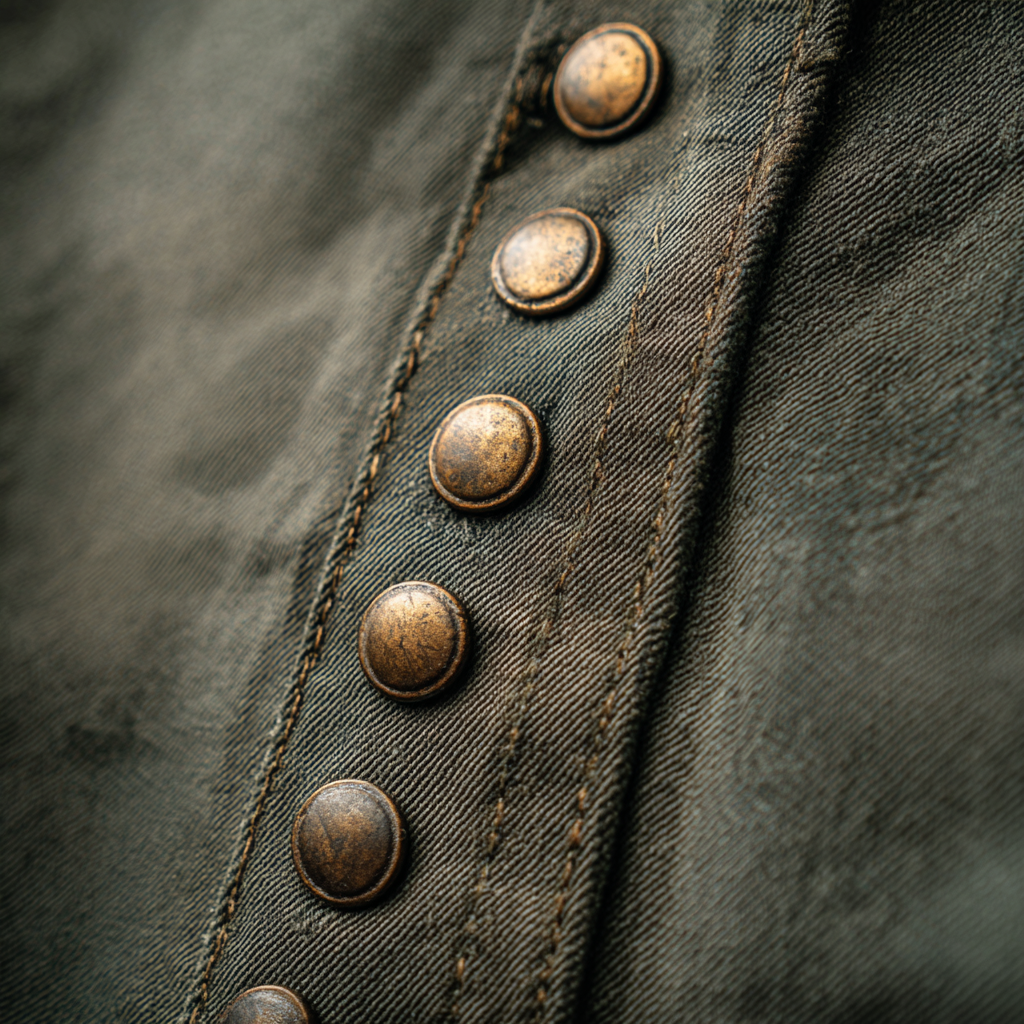
Founder review of the S3 and 7C macros identified why stitching never renders correctly: thread passing through cloth is itself a junction — the exact thing the model refuses. In both frames the thread lies on the fabric rather than through it. No entry or exit points, no pucker around the stitch, loose ends dangling. The suede sits on the denim rather than being seamed to it.
This is the unifying explanation for refusal #6 (bonded seam), the chainstitch texture failure, the unrenderable rope script, and the sawtooth pockets that return as straight flaps. All of them are stitch problems, and a stitch is a join. One language pass is authorised — "stitches embedded in the weave, thread entering and exiting the fabric, slight puckering around each stitch, no loose thread ends." If it fails: real thread hand-stitched on a fabric scrap, photographed, becomes the edit-layer donor. Same tactic and same shopping trip as the snap kit.
10 · Material and garment words carry their own defaults
Three separate instances in one batch. Waxed canvas returned tan against an intact relational colour string. Lining on a denim jacket returned sherpa — the Levi's trucker. Rope-like returned actual twisted rope lying on denim.
This is finding 8 sharpened. It is not only that a colour word drags the garment; the more iconic the word or the combination, the harder the default holds, and an accurate description will not displace it on its own. The fix is to name what you want positively and negate the object the word summons — trucker jacket in the negatives is what finally broke the sherpa.
11 · Pass count is predictable before you spend it
Sort every plate into three classes before running. Pure surface with no competing context lands first try — T1B, and M4C's colour. Surface with warm or busy context drifts on colour — M4A, M5. A spec detail that departs from the model's stored default refuses outright — flat snaps, the rocker arc, sawtooth pockets.
This is a sharper predictor than the junction rule alone, and it lets a batch be costed before a single generation runs.
12 · Category and detail compete for the crop
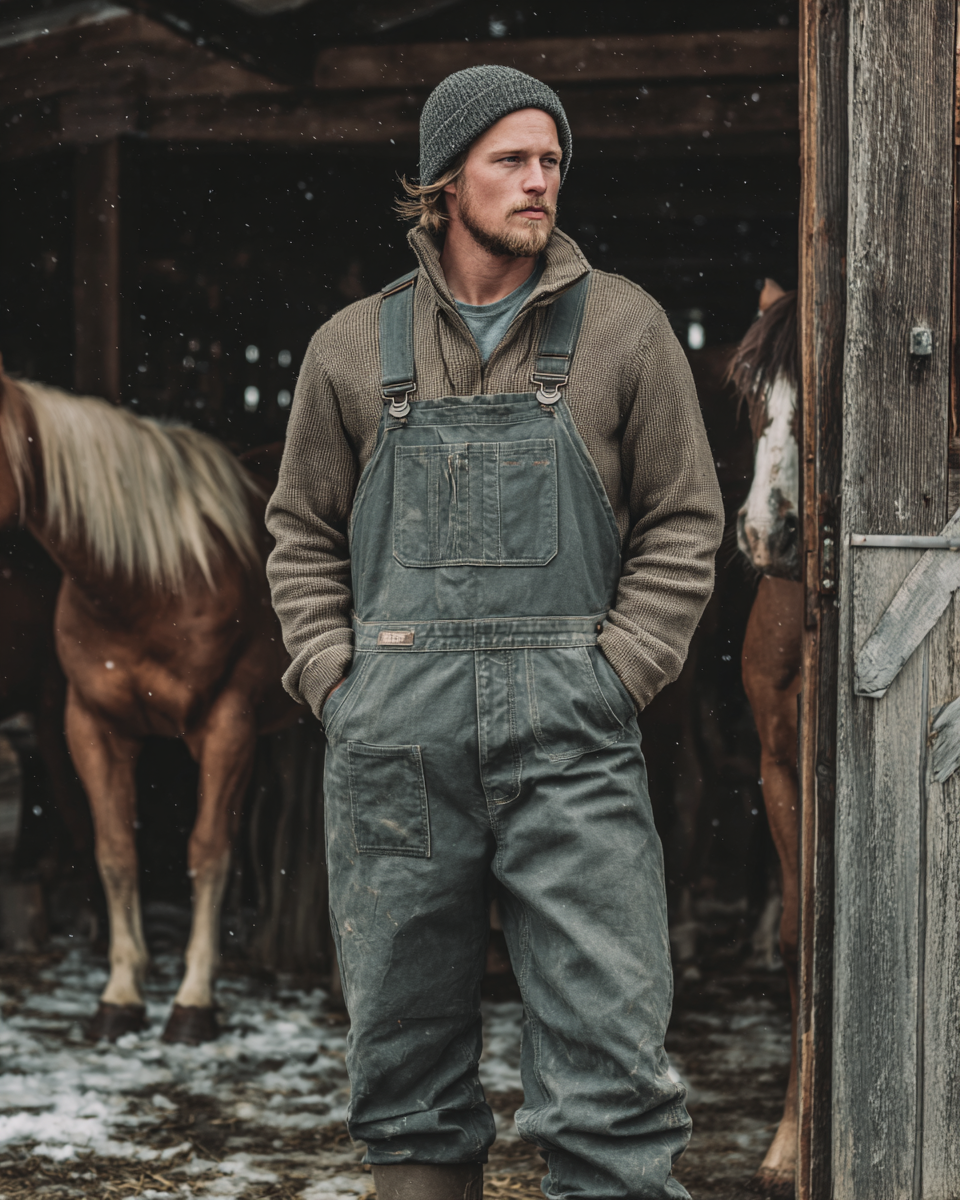
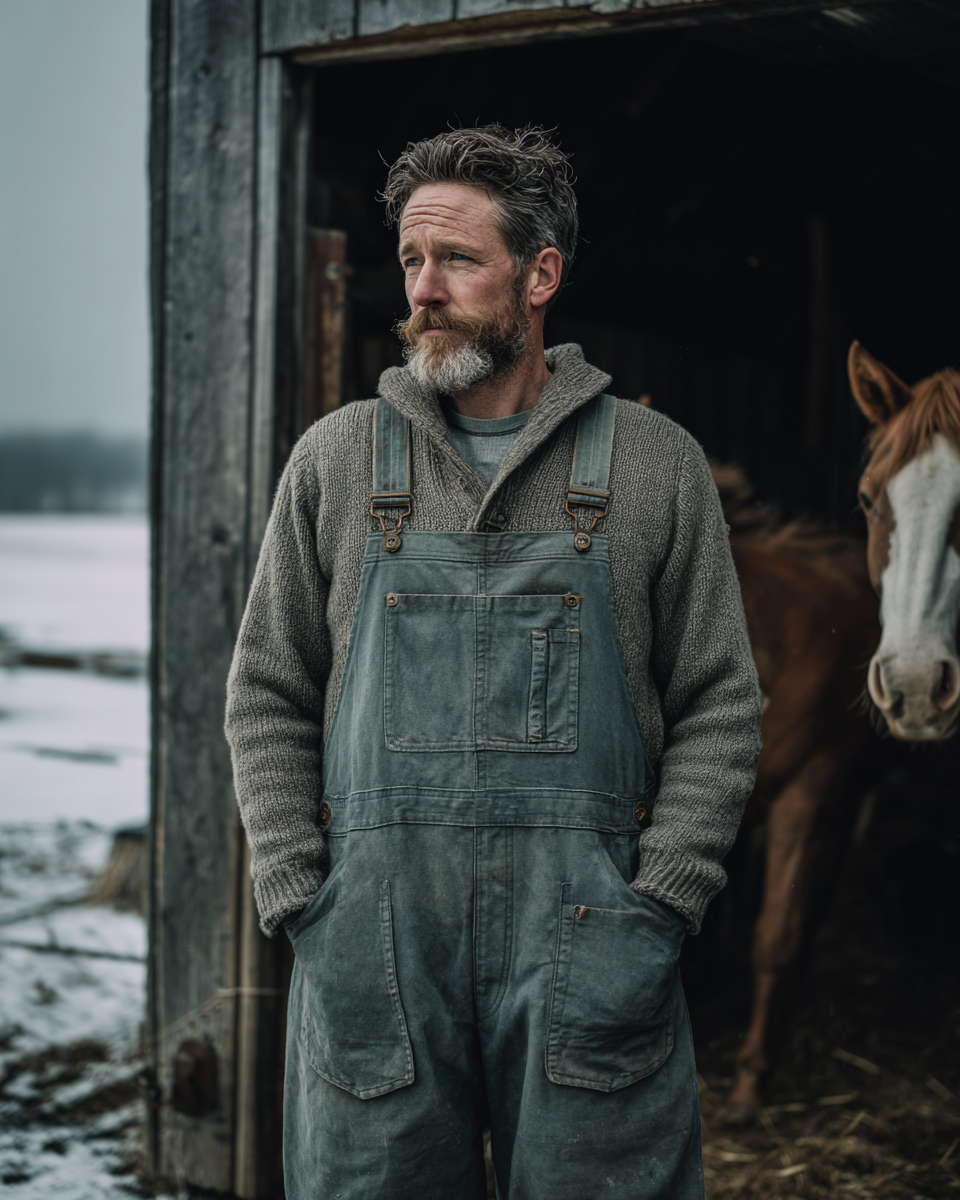
M4B proved it in two passes. Cropped tight to the thigh, the model had no garment to anchor to and produced an apron. Framed full-length so the bib read correctly, the thigh sleeve became too small a fraction of the frame and dropped — finding 7 from the other direction.
Every engineered feature on a large garment sits in that squeeze. The answer is two plates or a diagram, never one frame trying to carry both.
13 · A descriptive phrase becomes a garment
"Long tail staying put" was written to mean the hem does not ride up. Four of four returned a full-length duster. Same mechanism as rope, one level up: the phrase describing a quality was read as the object.
Where a phrase could name a garment, it will. State dimensions instead — hip-length, cropped at the hip — and negate the garment the phrase implies.
14 · Platform moderation is a separate failure class
M5 was refused before rendering. The trigger was not the subject but the negatives — a moderation classifier reads excluded terms as content, not as exclusions. Rewritten in construction language, with the anatomical vocabulary removed from both sides of the prompt, it cleared on the next attempt.
This is not diffusion refusing to draw something; it is a gate in front of the model, and it costs a full pass. Strip flagged vocabulary from the negatives, not just from the description.
15 · Diffusion renders a picture of a repeat, not a repeat
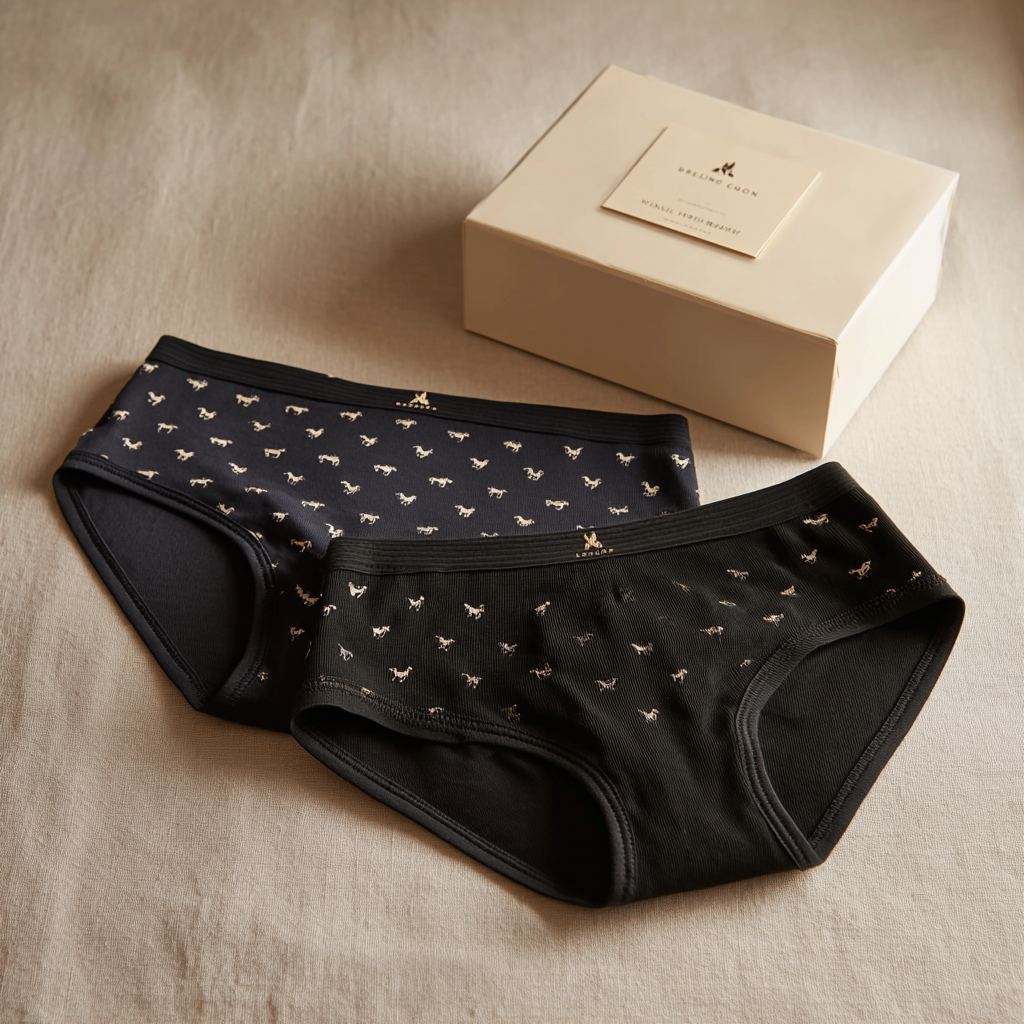
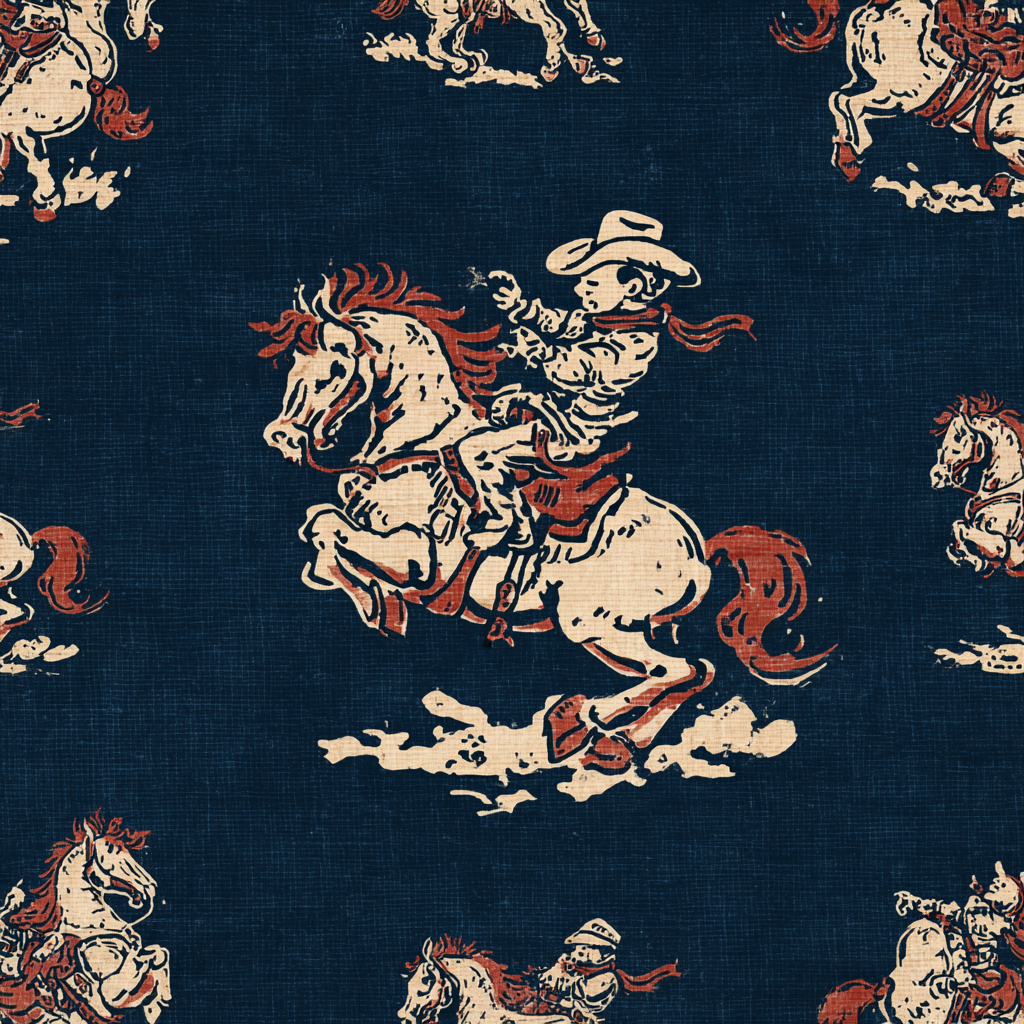
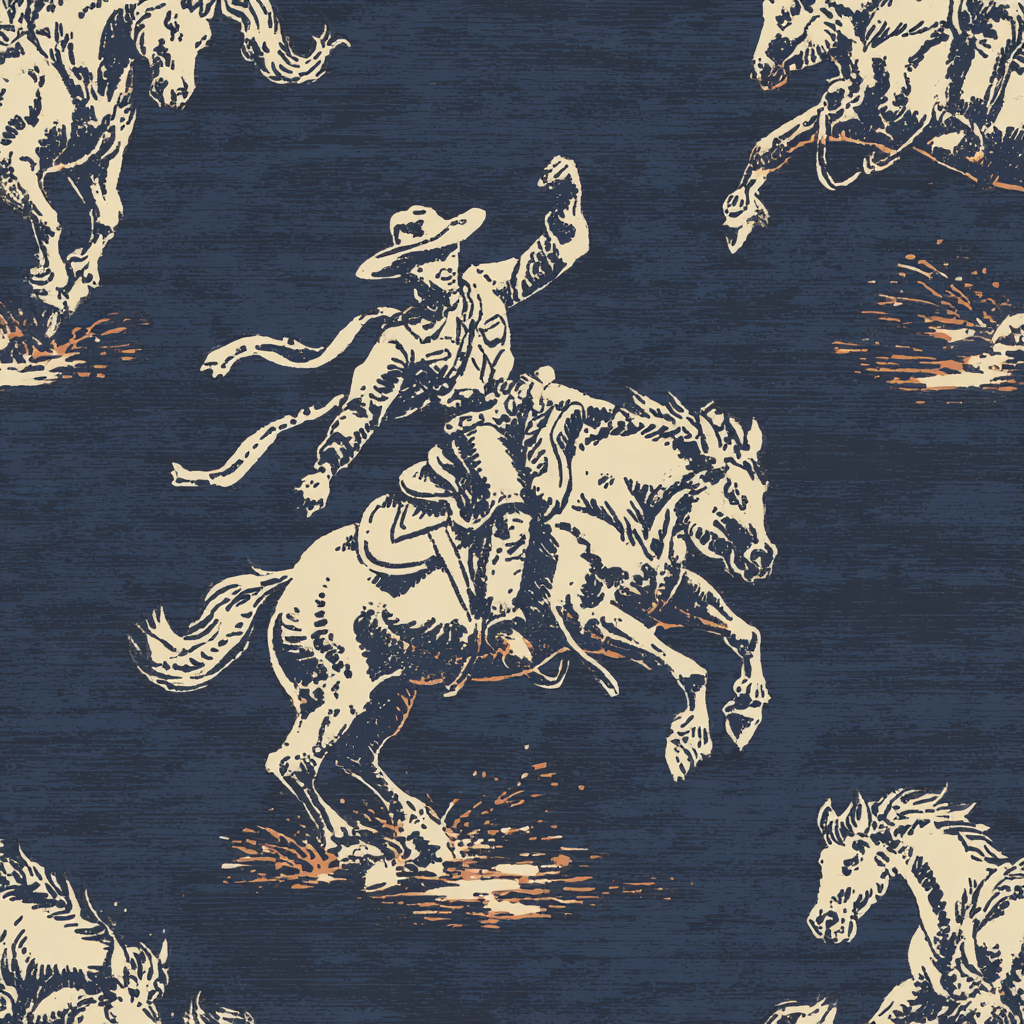
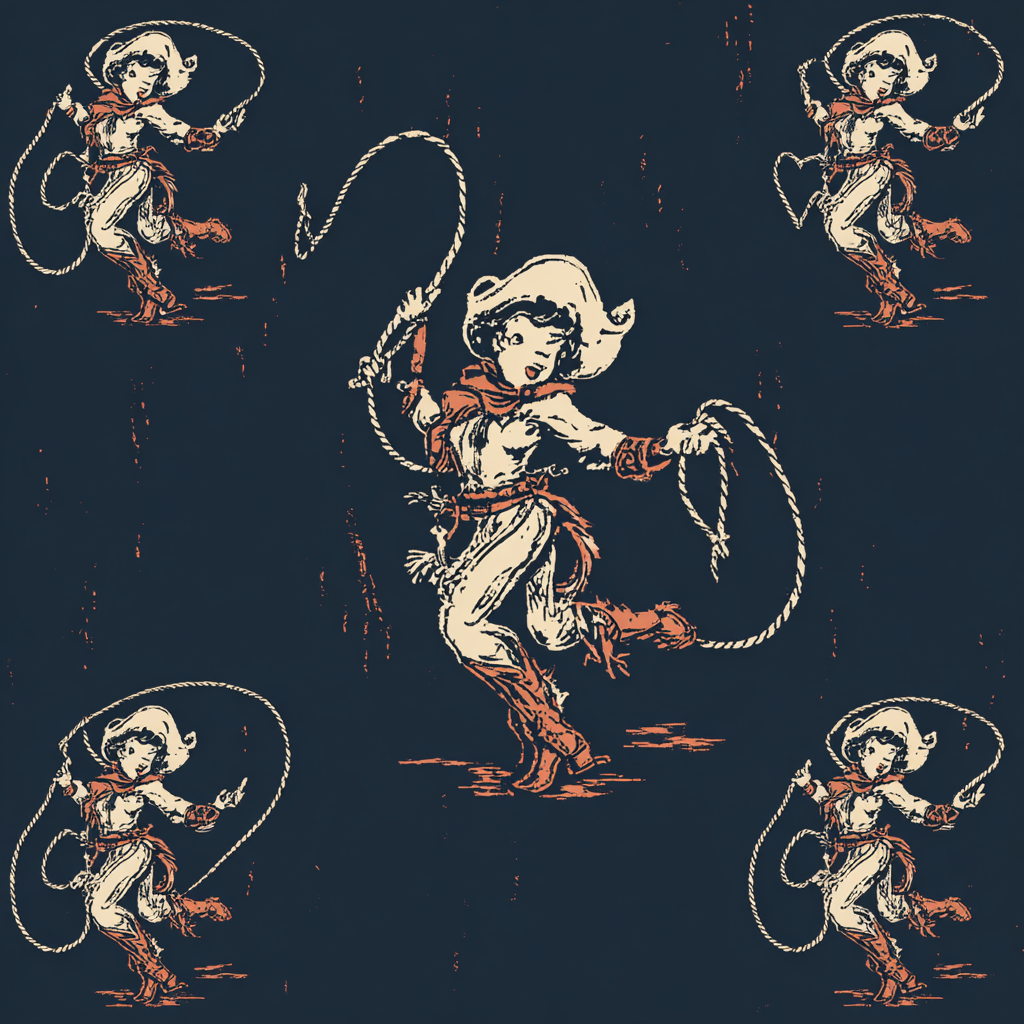
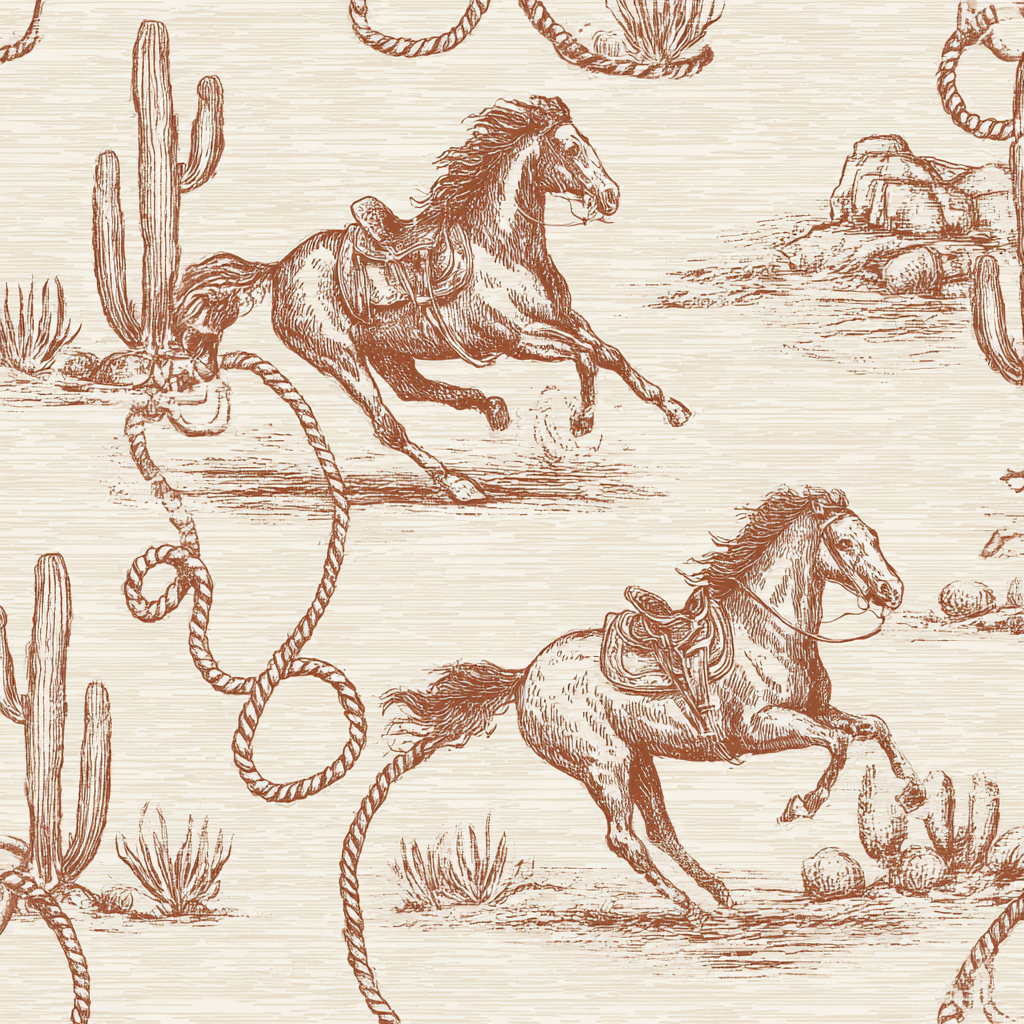
The print tiles came back looking like textile patterns and they are not tileable. Edges do not match, and a sublimation printer needs a true seamless repeat — the print file is the product in a way the photograph never is.
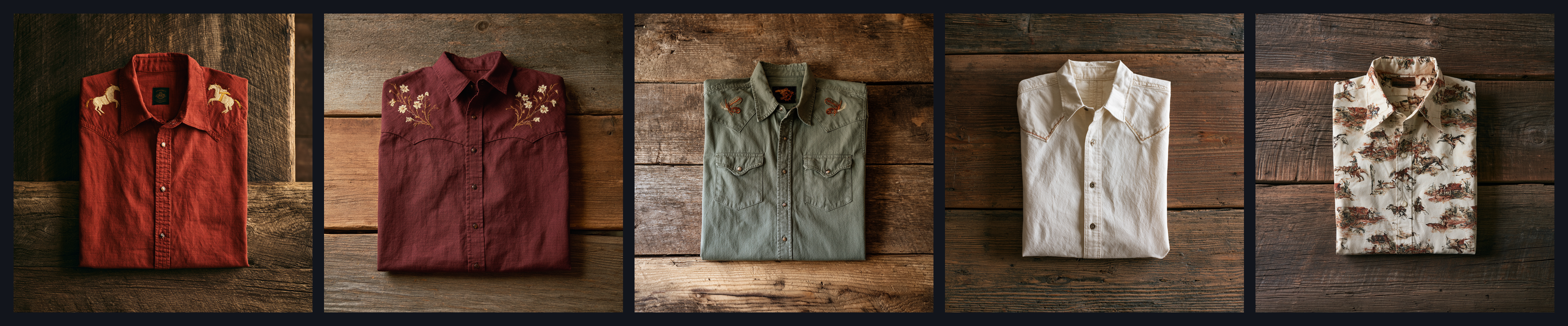
So the tiles are motif reference, not production assets. A designer rebuilds the winning motif as a real repeat, exactly as the double-R is built rather than prompted. Selection criterion is repeat scale, not draughtsmanship — the best-drawn frame in every grid was a single hero figure, which is the pin-up composition in miniature. Judge a tile by squinting at it: if the motifs turn to noise at arm's length, it fails at garment scale.
16 · A guard word is content to a classifier
Finding 14 said to strip flagged vocabulary from the negatives. This batch showed the sharper version: the word guarding against a failure can be more dangerous than the failure. The print tiles were blocked by pin-up and skulls sitting in the negative list — terms added specifically to prevent a pin-up.
The fix is to guard on composition instead of vocabulary. Single large figure and portrait in the negatives did the same job, cleared moderation, and target the actual failure mode rather than its name.
17 · Describe the failure away, not the target harder
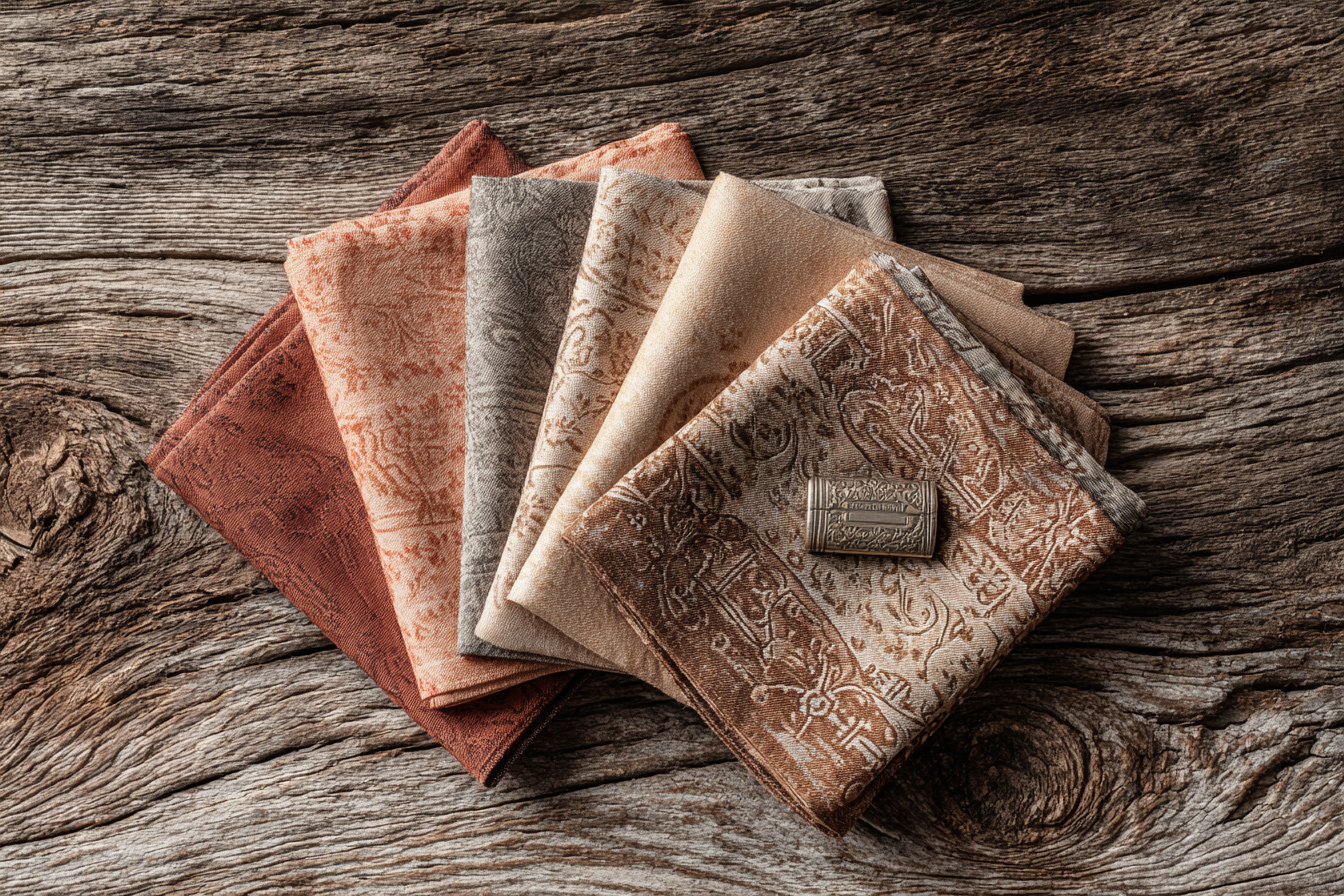
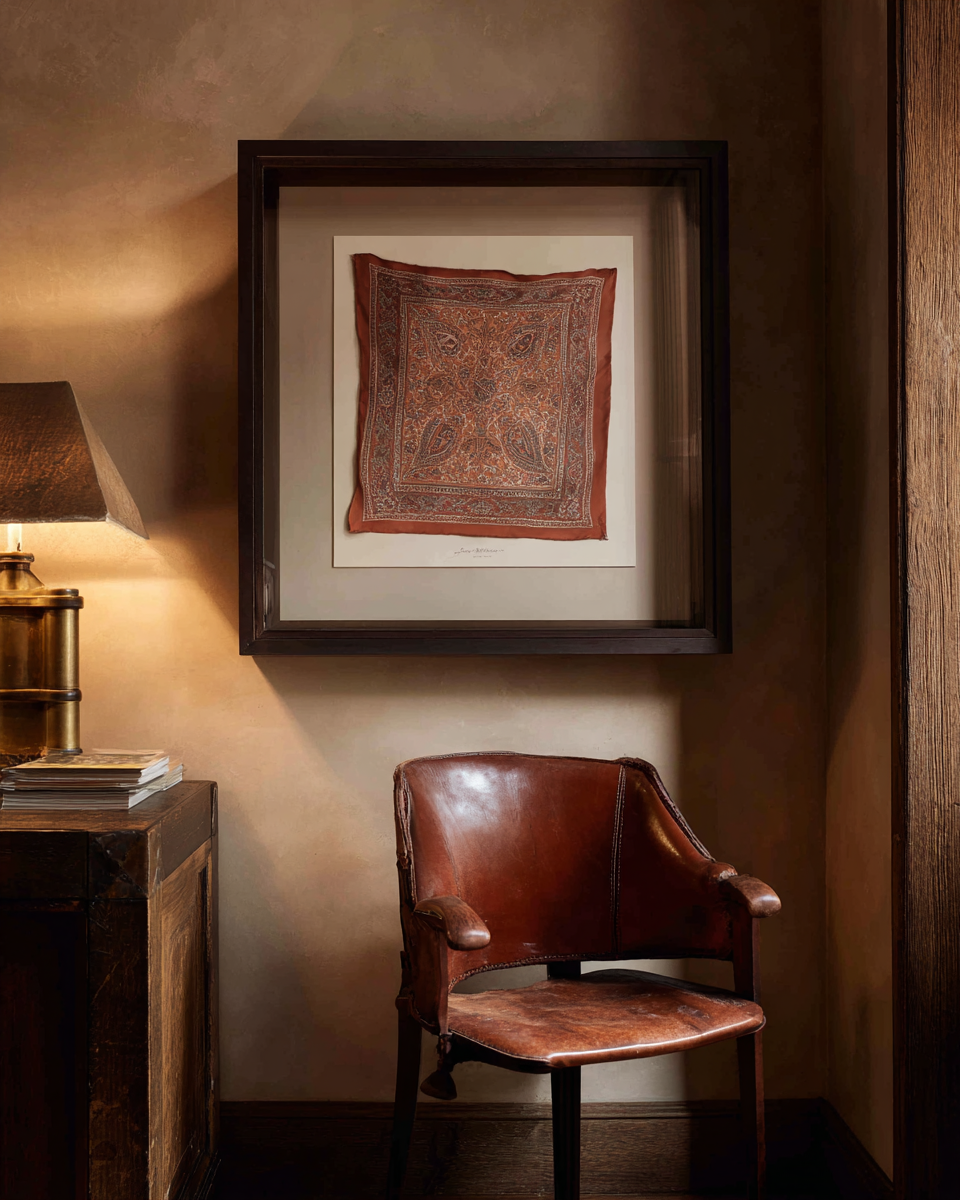
FR-1 asked four times for a wild rag displayed in a frame and got cloth draped over furniture every time — a textile inside a frame is a junction, and drape is the stored default. Naming the target more emphatically did nothing.
What closed it in one pass was naming the failure state and excluding it: pinned flat and smooth, mounted on a backing board, museum textile, with folds and draped fabric in the negatives. This is the colour law generalised beyond colour — describe the thing against its failure mode. It is now the first thing to try on any junction before routing to a diagram.
Confirmed refusals — features diffusion will not draw
01High-Y brace junction — reverts to X-back at mid-height (4 rounds)
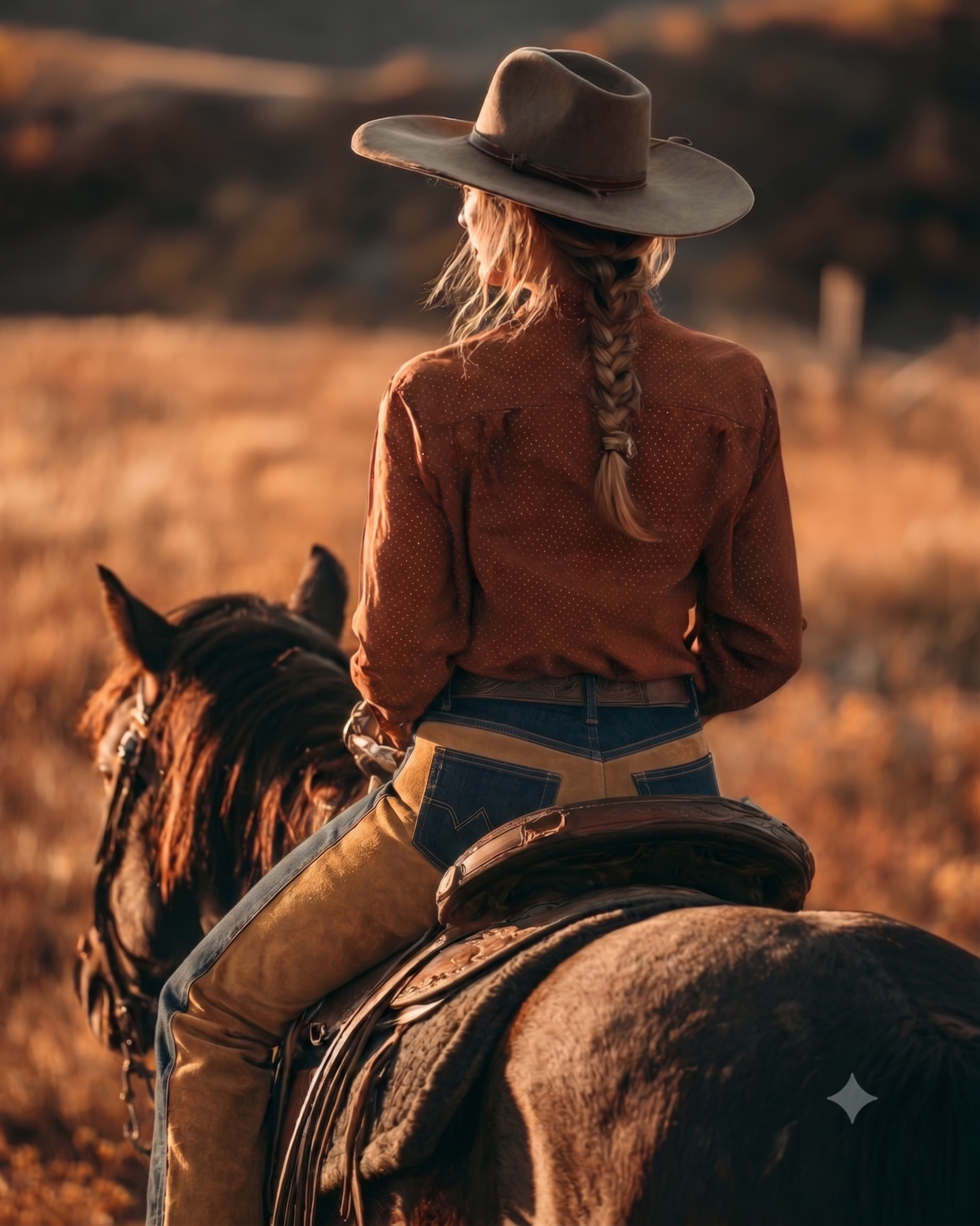
02Bonded suede seat panel — gives chaps, hides seat behind cantle, or puts suede on the saddle
03Tapered pad edge — CLOSED. Taper + perforations landed together in 2C-v2
04Closed Tail Latch snap — won't join snap to stud (abandoned)
05Sage colour — CLOSED. Relational description holds where name and hex failed
06Bonded seam topstitch — won't put visible stitching at the suede-denim join (2 passes)
07Hat standard — short-brim packer felt has failed 6 batches despite negatives
08Chainstitch loop texture — renders as generic embroidery; use real reference as donor
09Sawtooth pockets — returns straight flaps across every shirt plate; edit-layer detail
10Pocket mark arc — will not render as a separate stitched element (4 rounds, 2 prompt generations); route to vector
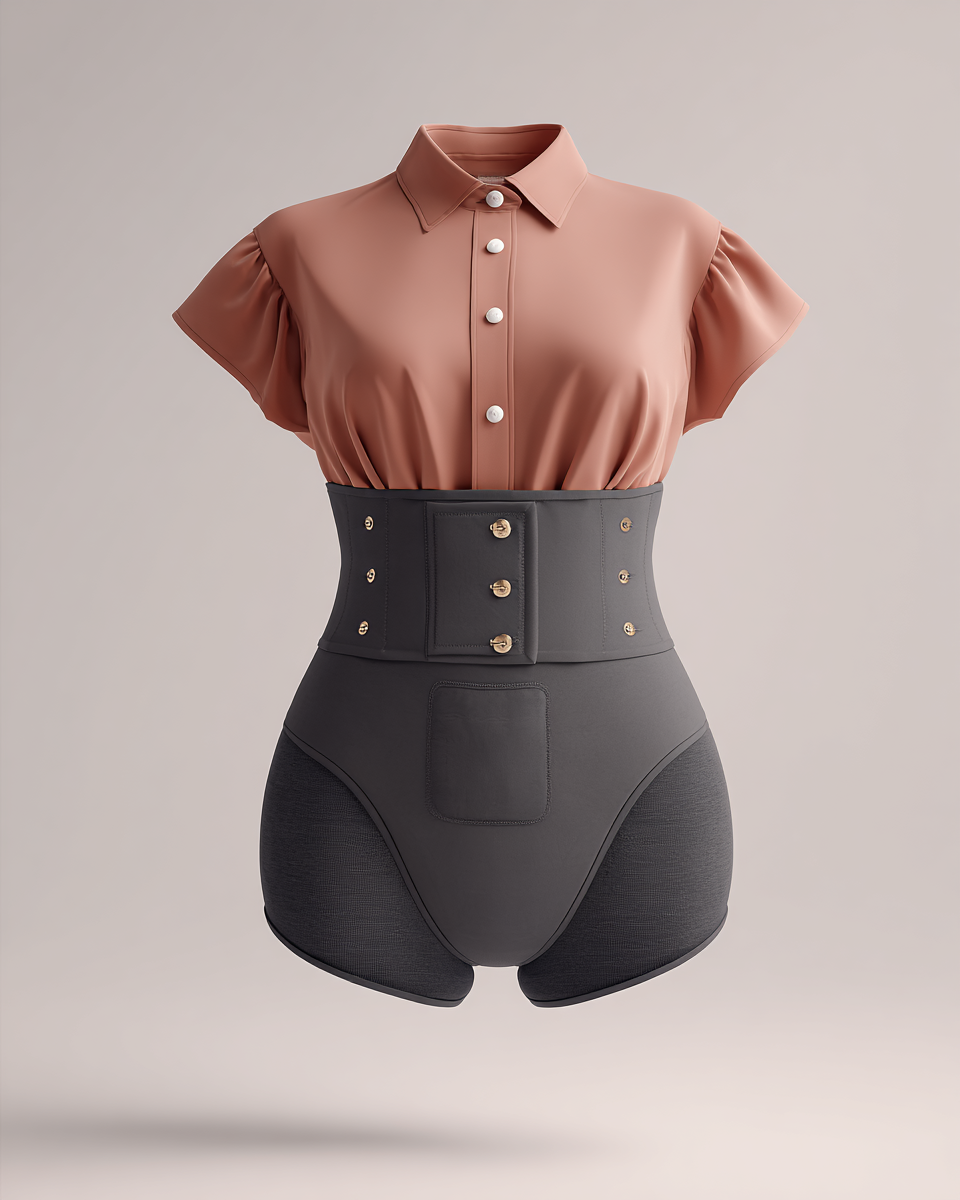
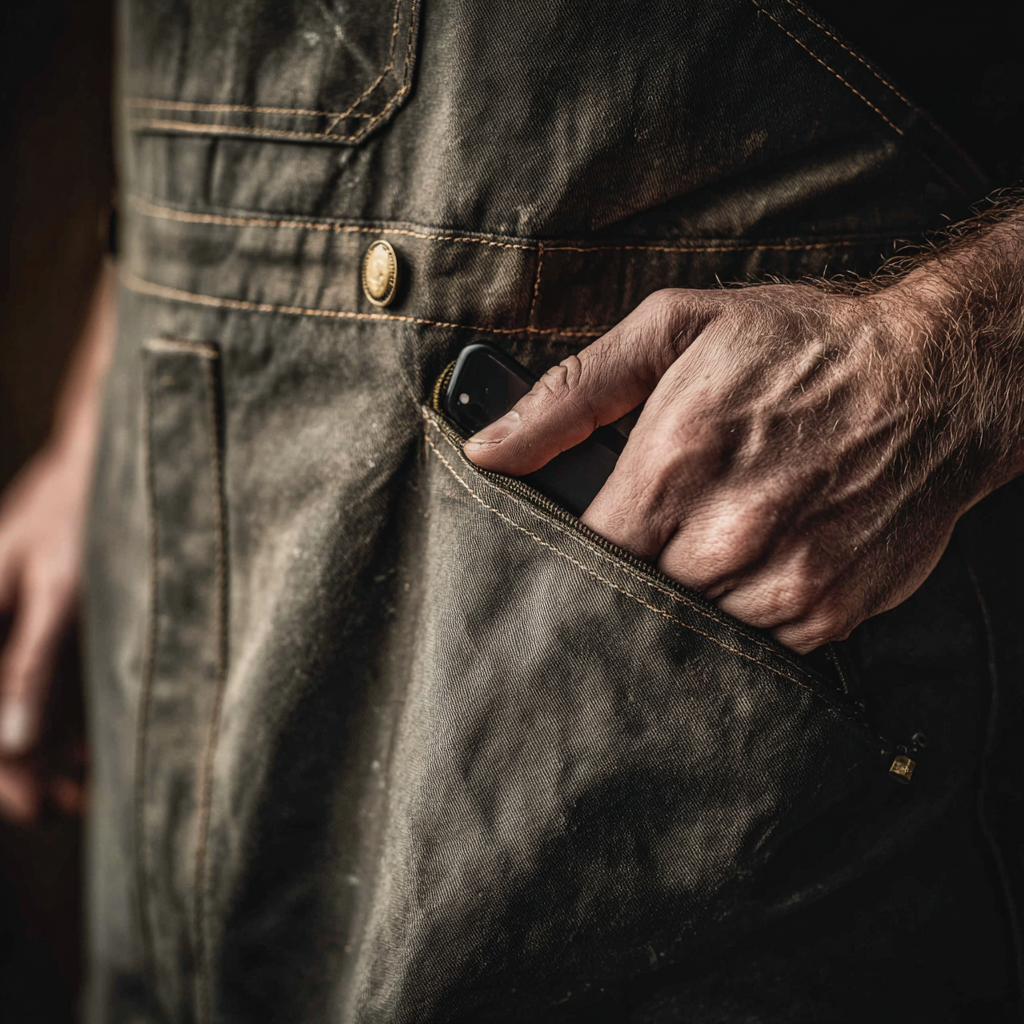
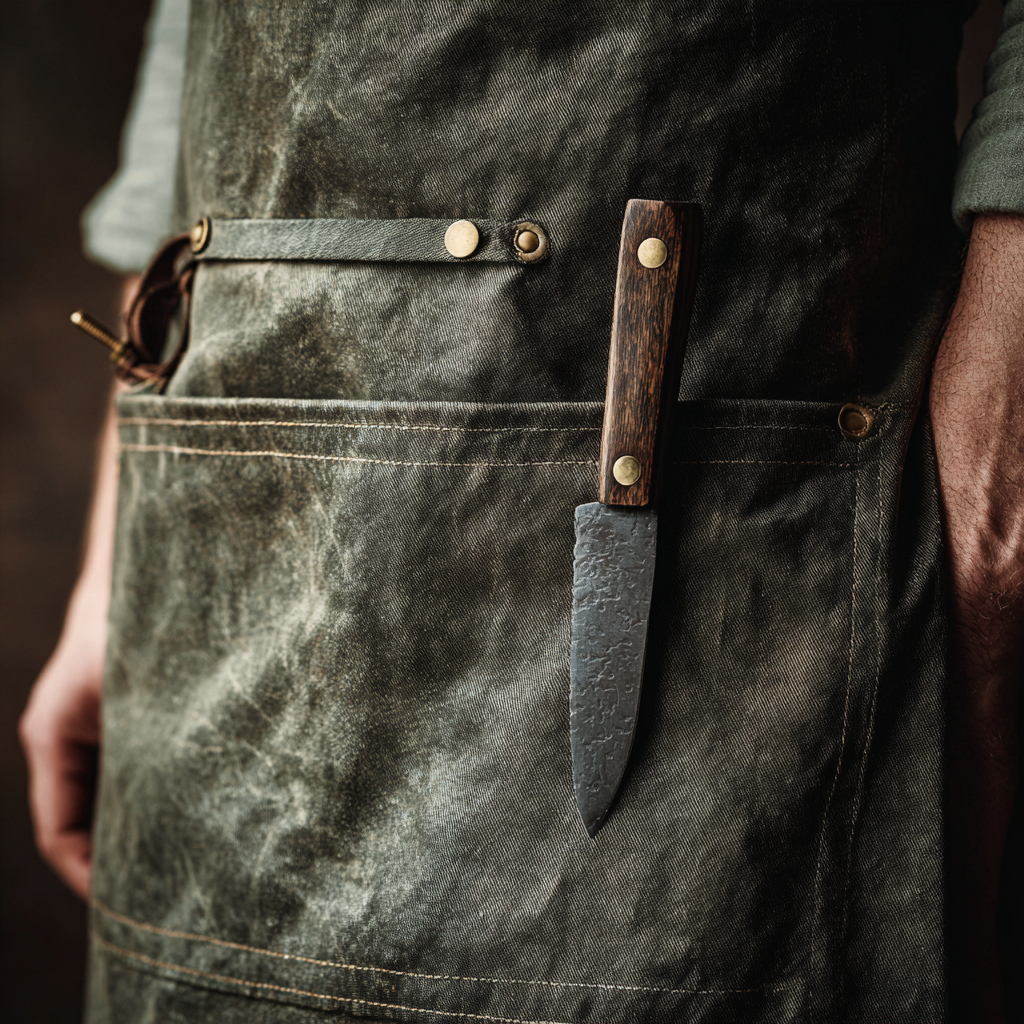
11Sewn sheath sleeve — renders as an apron patch pocket, blade exposed despite negatives, junction never forms; route to diagram
12Drop-seat panel — opens at the back yoke; garment composites to a jacket over an overall; route to diagram
13"Long tail" — returns a full-length duster, 4 of 4; state hem length dimensionally instead
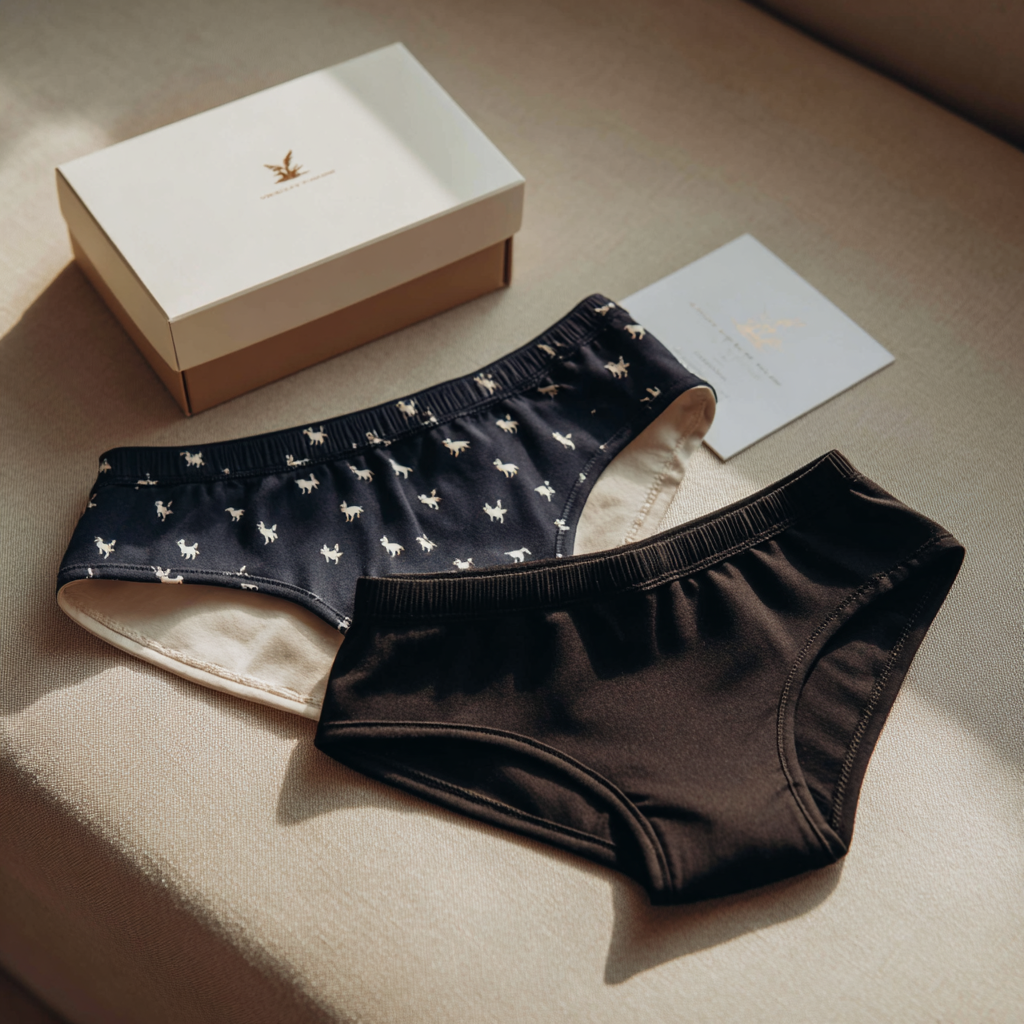
14Illustrated human figure on underwear — resolves to pin-up; print doctrine requires motif repeat. Internal only
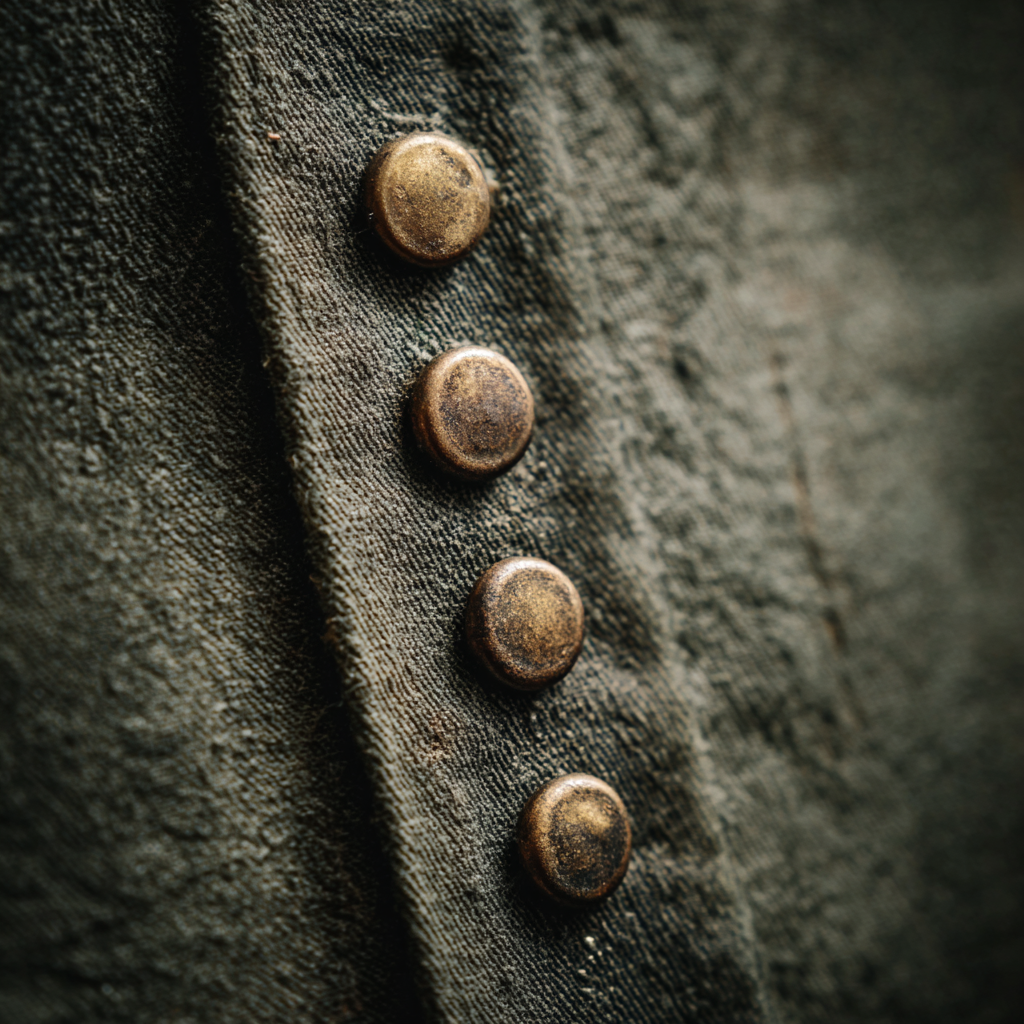
15Strap-end hardware — returns buckles across M2 and M3 despite negatives; flat snaps are an edit-layer detail
16Textile in a frame — CLOSED. Renders as cloth draped over furniture; naming the failure state (pinned flat, no folds) fixed it in one pass
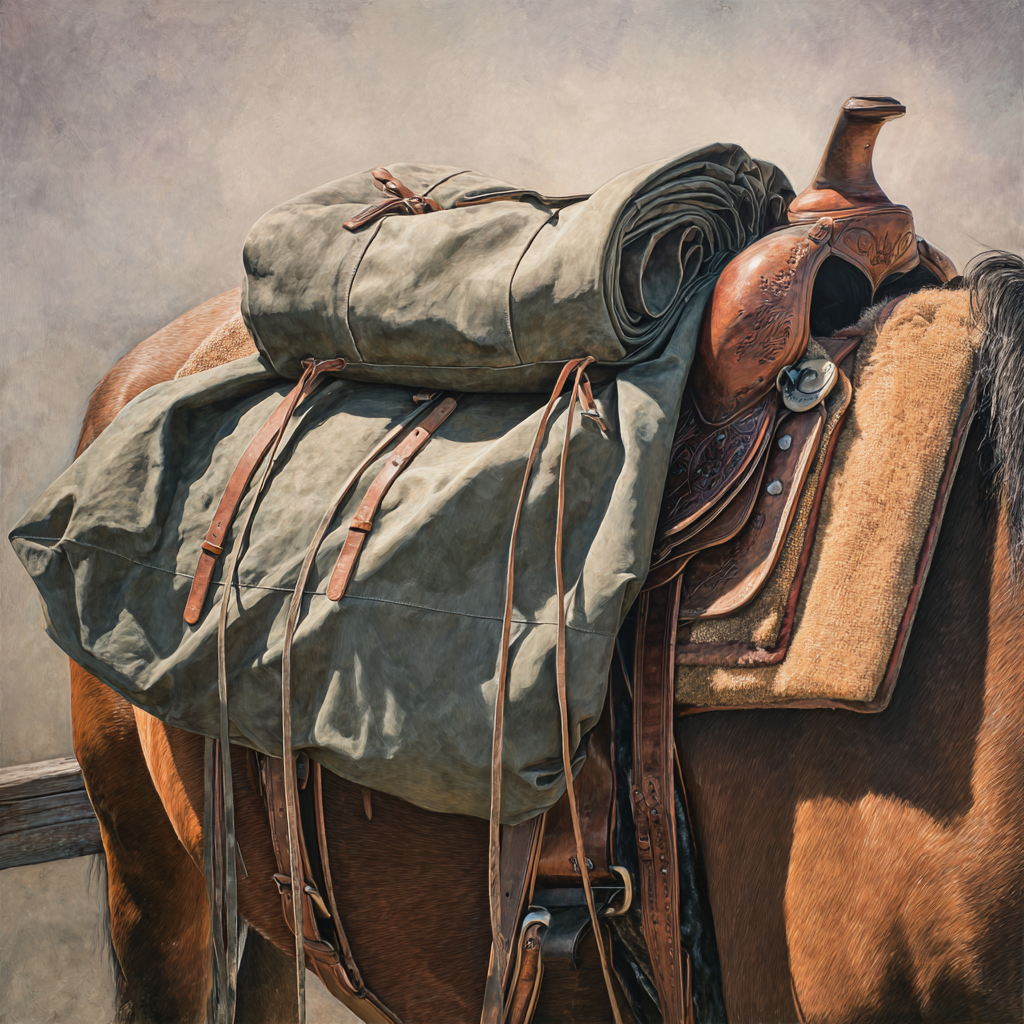
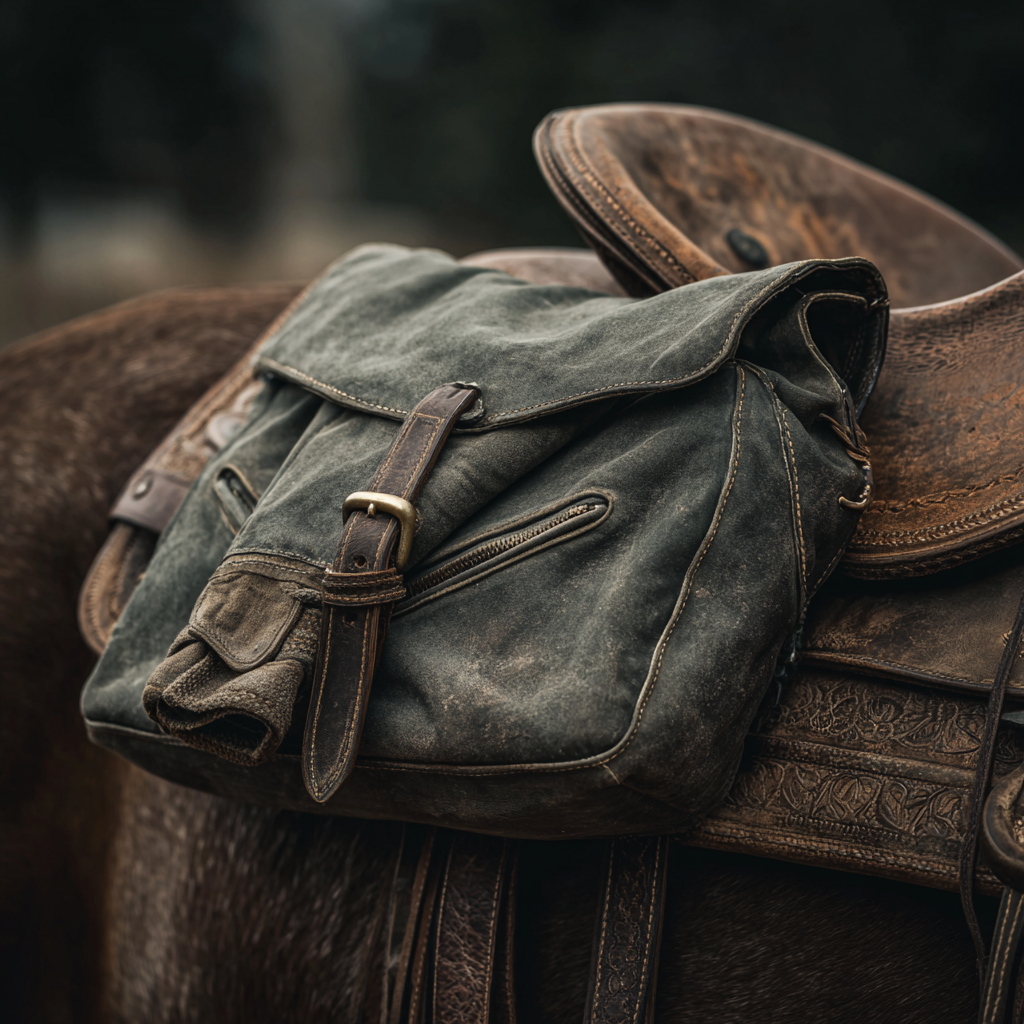
17Garment carried on or in tack — returns saddle bags and panniers, never the garment (SR-1 and SR-2, one pass each)
Method note
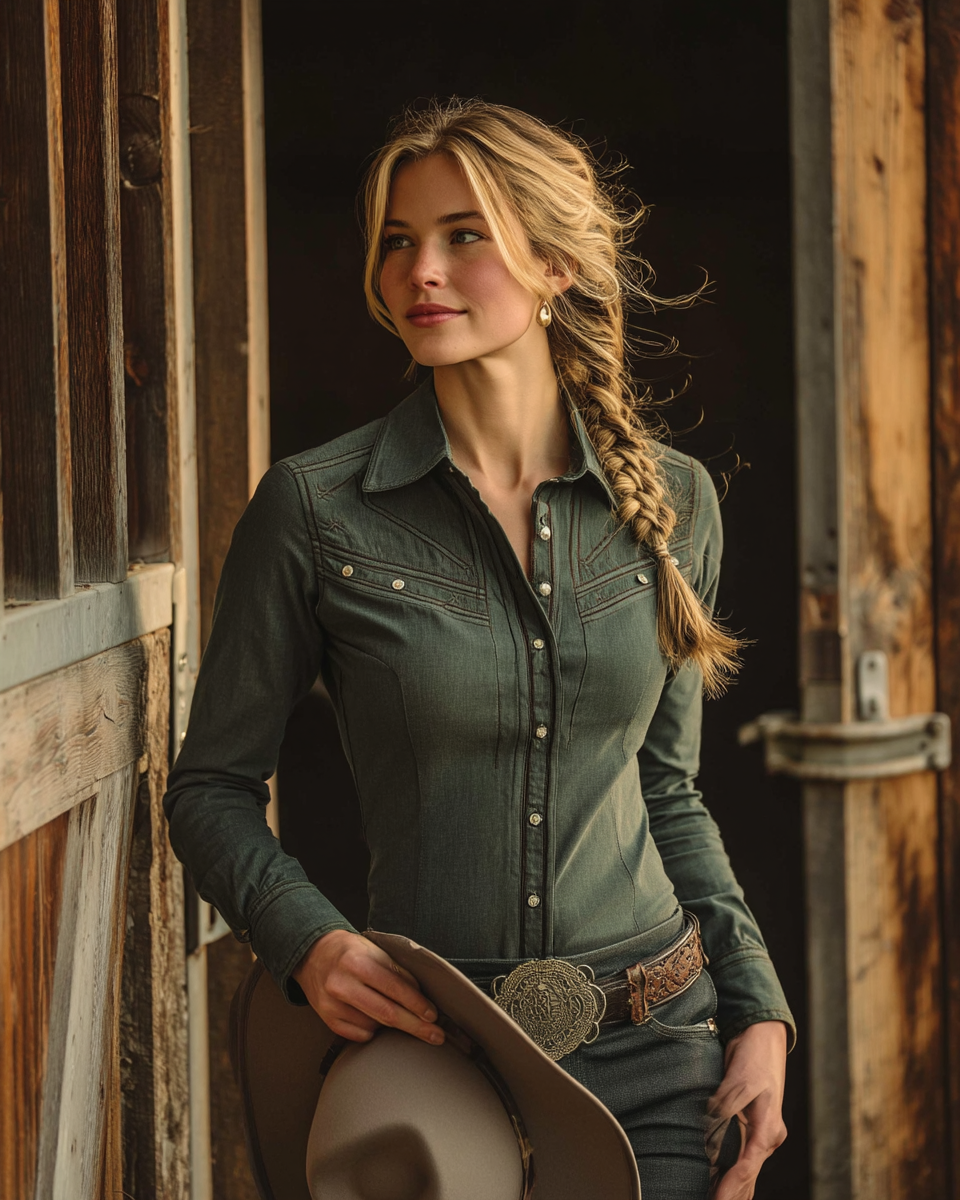
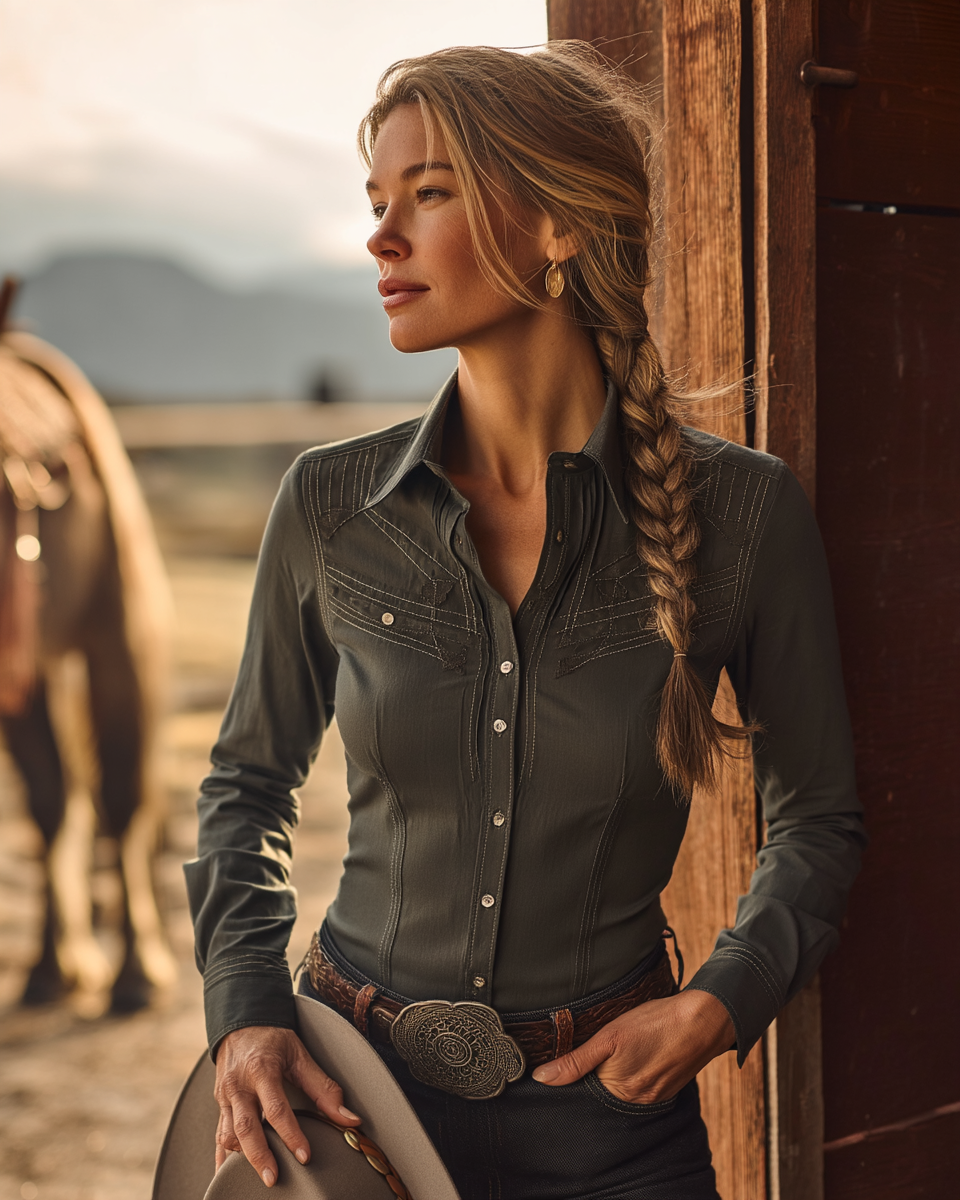
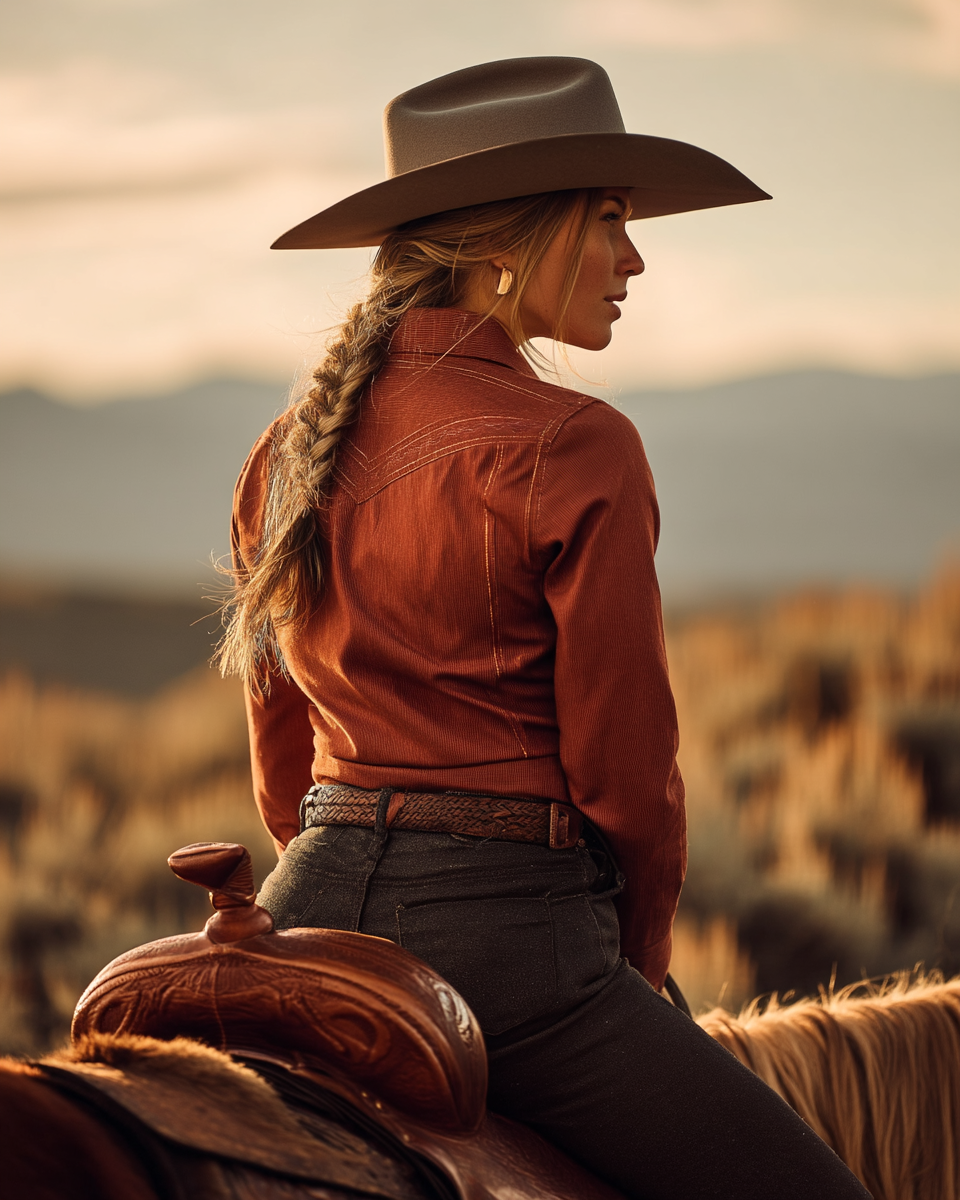
Six times across these batches the differentiating feature was the thing the models refused to draw. Each defaulted to the conventional version no matter how the prompt was worded — and the conventional version is precisely what Ready Ranch is not.
The workflow that works: Midjourney renders the base plate — scene, tack, light, plain garment — then the engineered feature is built on top in a second pass. Prompt for placement and light; edit for engineering; build in vector what the edit layer also refuses.
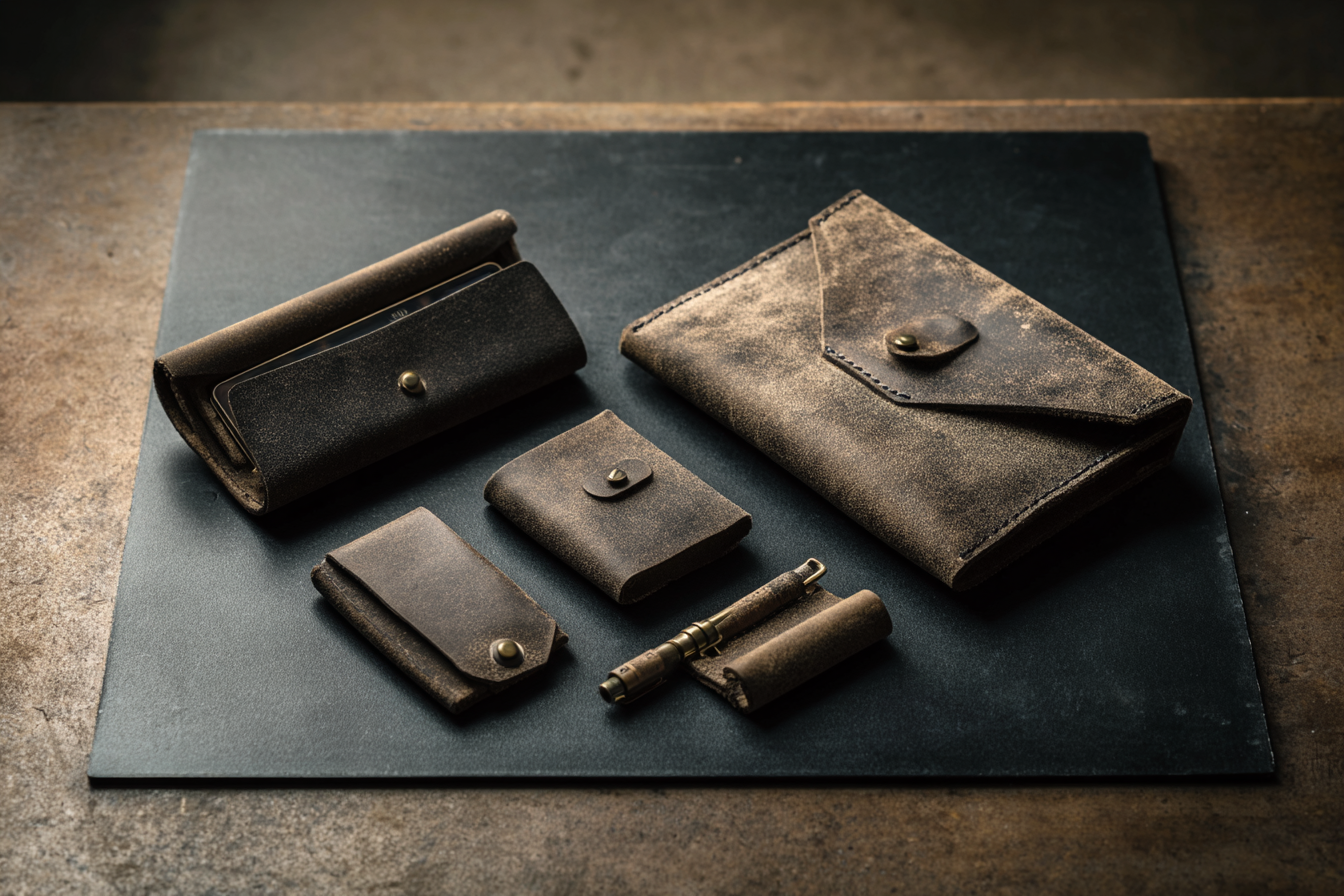
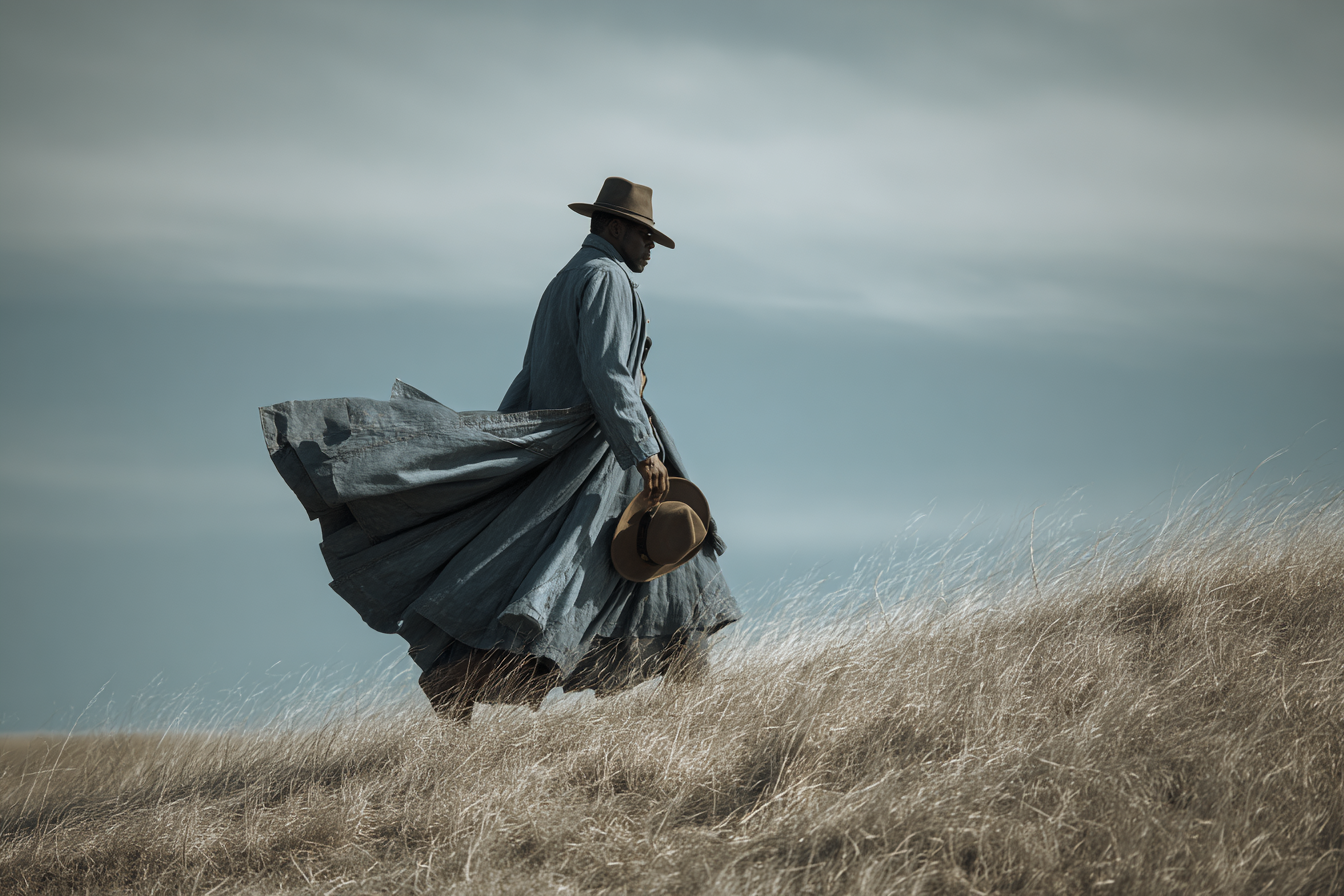
Batches 04C and 04D make the split plain enough to budget against: every atmosphere and surface shot rendered; every engineered feature went to a drawing. Beading, hardware macros, knit panels, fabric folds all landed in one or two passes. The thigh sleeve, the drop seat, the brace junction, the seat panel, the pocket arc and the stitched mark did not, and will not. That is no longer a production problem to solve — it is the shape of the programme. The photography sells the world; the drawings explain the products.
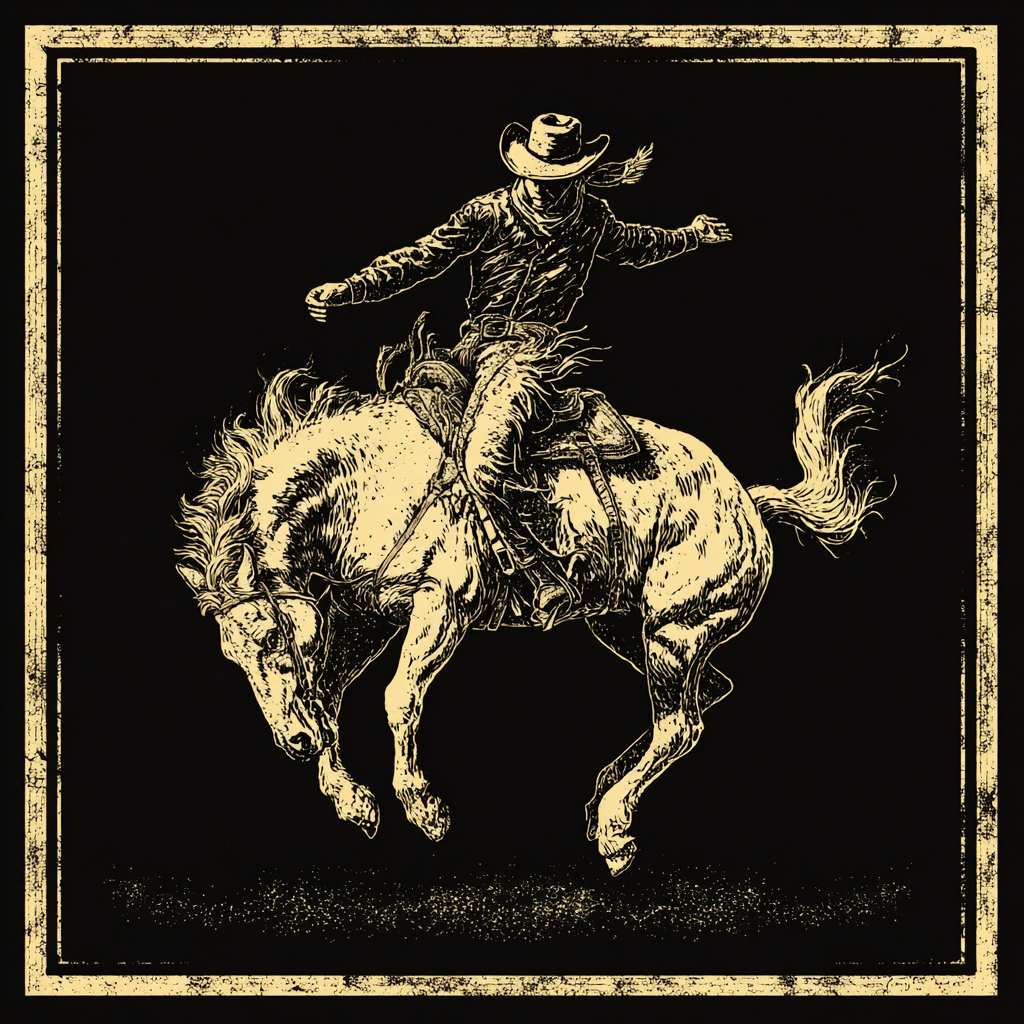
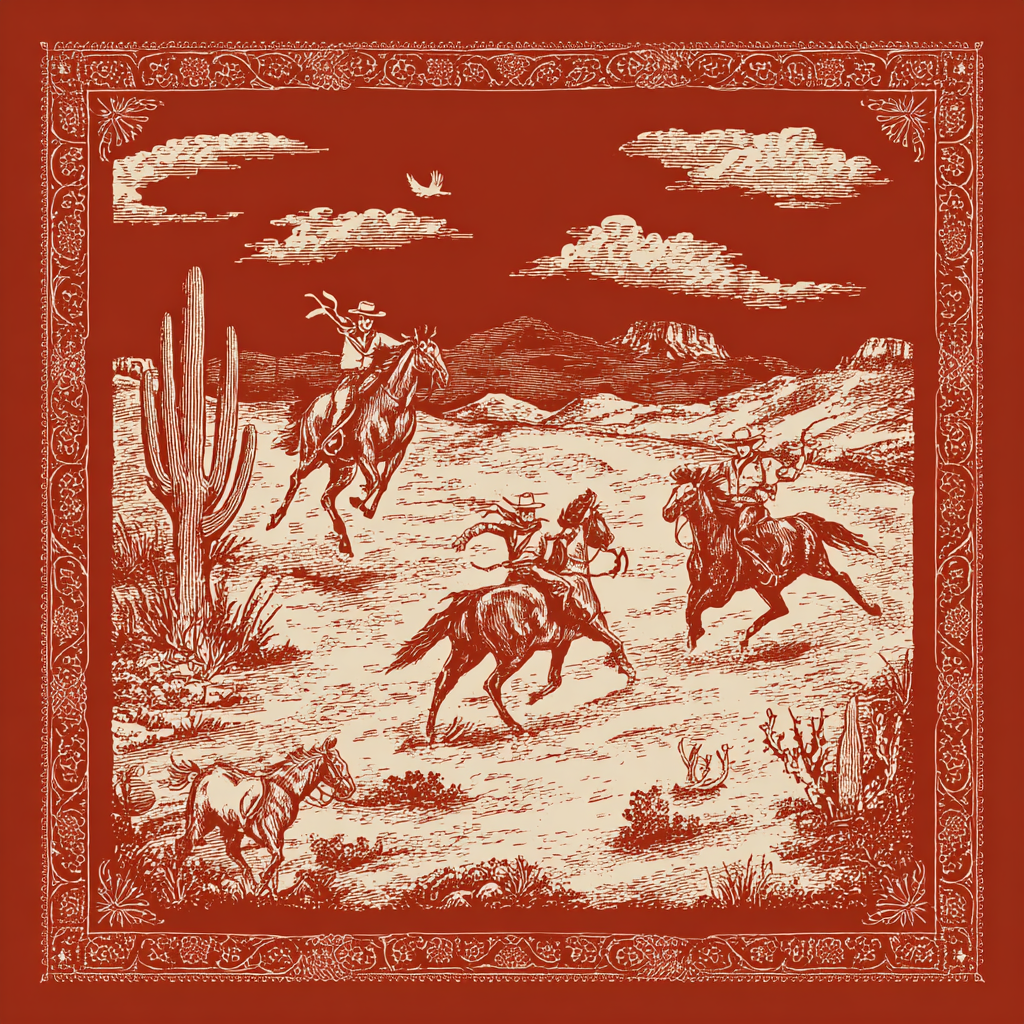
04E adds the counterpart to that: what diffusion refuses to photograph, it will often happily draw. The print tiles that failed on garments rendered first-pass as flat artwork, because vintage rodeo illustration sits in the training data as art rather than as product. The doctrine that follows is simple — prints are artwork, garments are photography, the edit layer marries them — and it is the same law as the marks, moved one step earlier.
Every refusal in 04C and 04D was predicted by this register before the plate was run. The document is working. What it asks for now is being trusted earlier — a prediction only pays if it stops the pass, not if it explains the result afterwards.
The sharper lesson from the earlier batches: the failures cluster at junctions. Where two materials meet, or two parts connect, diffusion substitutes the familiar. Surfaces it can handle. Joins it cannot. Every interface that defines this brand is a join — which is exactly why the construction diagrams are not a nice-to-have. If three separate models can't parse what a roughout seat panel is, a customer scrolling a feed will need it explained too.